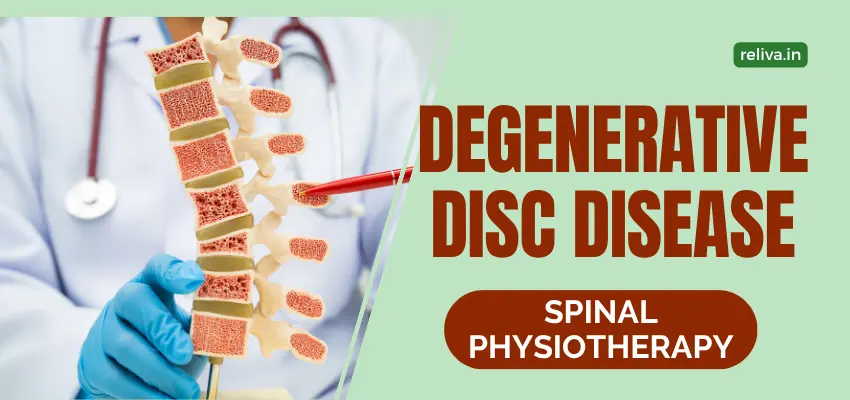



Recovering from spine surgery is a gradual process that requires patience, guidance, and structured rehabilitation. In India, where spinal conditions are increasing owing to sedentary lifestyle, poor posture at long sitting work and age‑related changes – Physiotherapy After Spine Surgery has become an essential part of recovery. Through carefully designed post operative physiotherapy programs, patients can rebuild strength, restore mobility, and reduce complications.
Effective rehabilitation ensures that the spine regains stability, flexibility, and strength. At ReLiva Physiotherapy & Rehab, our experts utilise evidence-based techniques, combined with modern technology, to guide patients safely back to independence. This makes the recovery not just faster, but safer, smoother, and more predictable.
Post-surgery physiotherapy assists in building your strength, regaining mobility, and preventing your spine from developing further complications. It makes recovery occur safely, at the appropriate rate, and with proper guidance. If you’re looking for spine physiotherapy nearby, then here is a comprehensive guide from our expert therapists for you to learn about how post-surgery rehabilitation is done and how it can assist you in taking positive steps towards healing.
To help you navigate each stage of recovery, we’ve outlined key aspects of post‑surgery physiotherapy in this post here —explore these sections to understand why physiotherapy matters, what surgeries it supports, and how structured rehab can make healing more effective or just go read the whole post to understand it all.
- Why Physio after Spine surgery?
- Common Spine Surgeries for Which Physiotherapy Is Suggested
- Objectives of Post-Surgery Physiotherapy
Rehab Stages | Exercises after Spine Surgery | Modern technology | Post Spine Surgery Tips | FAQs
Why is Physiotherapy Important After Spine Surgery?
Spinal surgery may remove pressure from a pinched nerve, correct instability, or repair damaged tissue, but it also affects the surrounding muscles, ligaments, posture, and movement patterns. After surgery, these supporting structures often become weak, stiff (spastic), or deconditioned. If left unaddressed, this can lead to recurrent pain or difficulty returning to daily activities and poor recovery – after all surgery only fixes the structure not the function.
That’s exactly why post-operative physiotherapy becomes essential. A structured rehabilitation plan helps the spine relearn its natural alignment, strengthens weak muscles, and restores your confidence in movement.
Research [1] shows that early, guided physiotherapy significantly improves outcomes after spinal procedures reducing pain and speeding up functional recovery.
During physiotherapy rehab, you can learn with a qualified physiotherapist how to move better, sit better, walk better, and gradually strengthen your core so your spine stays supported. This ensures not only recovery from surgery, but also long-term protection against future issues.
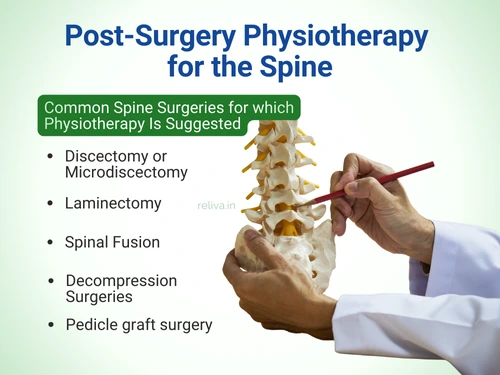
Common Spine Surgeries for Which Physiotherapy Is Suggested
Whether it’s a minor procedure or a major spinal reconstruction, almost every spine surgery benefits from physiotherapy. The type of surgery helps determine the pace of your rehab, but the principles remain similar.
-
- Discectomy or Microdiscectomy: Removes herniated disc material pressing on a spinal nerve. Physiotherapy prevents stiffness and helps restore pain-free bending and walking.
- Laminectomy: Relieves pressure on the spinal cord by removing a portion of vertebral bone. Rehab focuses on rebuilding strength and regaining upright posture.
- Spinal Fusion: Performed to stabilize the spine. Physiotherapy ensures the surrounding muscles become strong enough to support the fused segment.
- Decompression Surgeries (eg, for spinal stenosis): Rehabilitation helps retrain coordination, balance, and mobility after nerve pressure is released.
- Pedicle graft surgery (indicated for burst fracture, potts spine and Grade 3 and 4 spondylolisthesis and spinal instability) Rehab focuses mainly to improve function , muscle strength and to prevent post operative stiffness.
Regardless of whether you need post laminectomy physiotherapy, post spinal fusion rehab, or post decompression physiotherapy, your personalised rehab plan at ReLiva is tailored to help the affected muscles relearn proper support and restore mobility safely.
Call for professional advice available nearby.
Objectives of Post-Surgery Physiotherapy for the Spine
The goal of physiotherapy after spinal surgery is not simply to heal the incision — Post operative physiotherapy focuses on helping you regain normal functions of daily life step-by-step, ensuring you regain strength without overloading the healing structures and prevent complications.
Key objectives include:
- Pain relief and inflammation control: Systematic use of gentle movements, cold therapy, electrotherapy, and breathing exercises helps to reduce pain and swelling.
- Restoring flexibility and range of motion: Slow, progressive stretches prevent stiffness and enable you to move more freely.
- Strengthening the core and spine-support muscles: This is the foundation of long-term stability and protection against reinjury.
- Posture correction and balance training: Good posture reduces strain on healing tissues and helps restore normal movement patterns.
- Preventing recurrence and future spine problems: Studies published by Physical Medicine & Rehabilitation Journal show that strengthening the core reduces risk of future disc issues. They are also known to prevent pulmonary complications (atelectasis and bronchospasm) through breathing exercises and pulmonary rehabilitation.
Each phase builds upon the previous one, gradually moving you toward full independence and pain-free daily activity.
Stages of Post-Operative Spinal Physiotherapy
Every patient heals at a different pace, but post-operative spinal physiotherapy usually follows three well-defined stages. The aim is to progress safely without rushing the healing tissues.
Early Stage (0–2 weeks after Spine Surgery)
This phase focuses on protecting the surgical area while keeping the rest of your body active. Your physiotherapist will help you learn safe ways to sit, stand, lying down, and move without stressing your spine.
You’ll begin with:
- Gentle breathing exercises to improve lung expansion
- Circulatory exercises (Ankle pumps) to prevent DVT and oedema
- Cold therapy or electrotherapy for pain relief
- Log rolling technique and bed mobility training
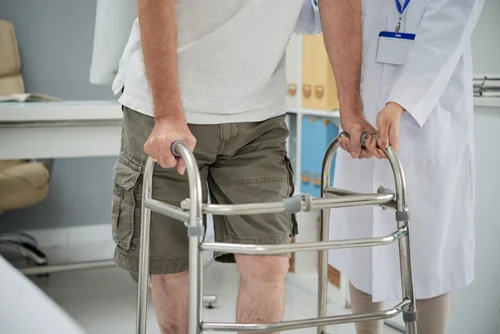
- Early ambulation with support
The goal here is simple: keep you comfortable, prevent stiffness, and reduce the risk of complications.
Intermediate Phase (2–6 weeks after Spine Surgery)
At this point, your pain is usually more manageable, and you can begin restoring mobility and strength slowly and safely.
Your physiotherapist will guide you through:
- Core activation drills for deep abdominal and spinal stabilizer muscles
- Gentle spine and hip strengthening exercises
- Gradual walking sessions to rebuild endurance
- Posture re-education to reduce strain
- Education on precautions (for instance no bending, twisting, and lifting)
- Functional training (for example sit to stand, transfers )
This phase helps you reconnect with your daily movement patterns and regain confidence in basic activities.
Advanced Phase (6+ weeks after Spine Surgery)
As healing progresses, the focus shifts towards returning to your normal lifestyle — work, travel, fitness, or even sports, depending on your goals.
This includes:
- Endurance training to improve stamina
- Flexibility exercises to support normal motion
- Gait correction and coordination drills
- Balance and proprioception training
- Guidance on lifting, bending, and safe ergonomics
- Progression in functional tasks
- Work specific and sports specific training (after 6 months )
- Aerobic conditioning exercises (after 6 months )
ReLiva’s physiotherapists ensure you progress at a pace that matches your healing, comfort level, and daily needs.
Common Exercises Following Spine Surgery
Exercises after spine surgery are highly individualized. A physiotherapist chooses the right movements based on your surgery type, pain levels, and muscle condition. Some commonly prescribed exercises include:
- Pelvic Tilts: These gentle movements improve spinal flexibility and support lumbar muscles.
- Leg Slides: Helps maintain joint mobility while reducing stiffness.
- Core Strengthening Exercises: Essential to rebuild the spine’s natural support system.
- Gentle Stretching: Prevents tightness and improves comfort during walking and sitting.
- Posture and Gait Training: Ensures proper alignment and reduces strain on healing tissues.
Even simple posture corrections, such as how you sit at your desk or how you sleep at night, can significantly influence your long-term recovery.
Role of Technology in Post-Surgery Rehab
Modern rehabilitation goes beyond traditional exercises. Technology plays a powerful role in improving precision, safety, and patient engagement during recovery. This alone can make a significant difference in your recovery after spine surgery.
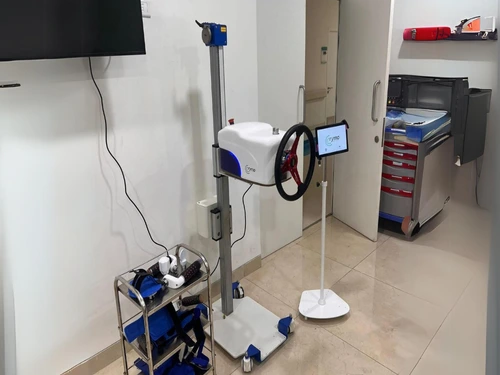
Robot-Assisted Physiotherapy
ReLiva offers robotic-assisted rehab in select centers, where physiotherapists use robotic systems to guide movement patterns with high accuracy. This is particularly helpful for rebuilding walking ability and balance after major spine surgery. Some modules are even built to gamify repetitive movements taking the boredom out of the exercise making it fun and engaging.
Electrotherapy & Ultrasound
Non-invasive modalities like TENS and ultrasound therapy help reduce muscle spasm, swelling, and pain while accelerating tissue repair.
Real-Time Movement Feedback
Using sensors and biofeedback tools, physiotherapists can monitor posture and muscle activity in real time. This ensures each exercise is performed accurately, maximizing effectiveness and reducing risk.
Research [2] supports the use of technology in rehabilitation (Study: “Robotic Rehabilitation for Spine Surgery Patients”, Journal of Orthopaedic & Sports Physical Therapy), showing faster improvement in mobility and balance.
What to Avoid After Spine Surgery? Recommendations from Physiotherapist
While staying active is essential, certain movements can delay healing or aggravate pain. Your physiotherapist will guide you on what to avoid based on your specific surgery and stage of recovery. This may include guidance on the following:
- Bending or twisting your spine
- Lifting heavy weights too early
- Jumping and sudden jerky movements
- Skipping therapy sessions
- Sitting for long hours without breaks
- Poor posture during sleep or daily activities
Following professional advice ensures that your spine heals correctly and remains well-supported in the long run.
Why ReLiva for Post-Spine Surgery Rehabilitation
Recovering from spine surgery requires more than just general exercise, it requires expert supervision. ReLiva being a physiotherapy specialist utilises a team of highly trained professionals who work with latest techniques and science backed protocols to maximise patient recovery. They provide customized rehabilitation programs designed specifically for spine conditions, ensuring holistic and safe recovery.
Related Reading: Spinal Physiotherapy A Complete Guide to Spine Conditions and Rehab
What Makes Spine Rehabilitation with ReLiva Unique:
- Skilled physiotherapists trained in spine rehabilitation
- Evidence-based treatment plans supported by current medical research
- Access to neuro and spine specialists for comprehensive care
- Modern robotic and technology-enabled rehab tools
- Convenient access across multiple physio clinics in India
Whether you prefer home physiotherapy, outpatient sessions, or inpatient rehab, ReLiva ensures consistent, high-quality care throughout your healing journey.
Wait no More. Connect with us for professional guidance that’s best for you.
Frequently Asked Questions (FAQs)
 Q. When is physiotherapy initiated after spine surgery?
Ans. Usually within a few days, depending on your surgeon’s advice. Early mobilization helps prevent stiffness and speeds up recovery.
Q. How long does spinal surgery physiotherapy last?
Ans. Most patients continue structured rehab for 6–12 weeks, but strength and posture training may continue longer for best results.
Q. Can I regain full mobility after spinal fusion?
Ans. Yes. Many patients return to normal activities with proper physiotherapy, core strengthening, and posture correction.
Q. What are the key dos and don’ts after back surgery?
Ans. Do follow your exercise plan, maintain good posture, and stay gently active. Don’t twist, bend suddenly, or lift heavy objects during early healing.
Healing Beyond Surgery
Surgery may correct the structural problem in your spine, but physiotherapy restores the function you need, to use the corrected/repaired spine for everyday life. With the right combination of expert guidance, advanced tools, and personalized care plans, ReLiva Physiotherapy helps patients heal not just physically but emotionally, giving them the confidence to return to life stronger than before.
Begin your recovery journey today with post operative spinal physiotherapy at ReLiva, where every session brings you closer to a pain-free, mobile, and active tomorrow.
This post is based on the inputs from Dr C. S Prasath (PT). Dr. Prasath is a multi-disciplinary physiotherapist in Chennai, providing care for musculoskeletal issues such as back pain, spine problems, frozen shoulder, and various degenerative and post-traumatic orthopedic conditions. He is known as one of the best physiotherapists in Velachery owing to his holistic approach to pain relief and rehabilitation.
Scholarly References:
[1] Spine Journal, Clinical Study Volume 20, January 2020 : “Early Rehabilitation After Lumbar Surgery” by Oosterhuis et al., 2020
[2] State-of-the-Art in Robotic Rehabilitation for Spinal Cord Injury Patients: A Literature Review; Shin Heon Lee, Myeong Jin Ko, Young-Seok Lee, Byung-Jou Lee, Subum Lee, Woo-Keun Kwon, Suk Hyung Kang; PMCID: PMC12599415 PMID: 41220885