
Sports Physiotherapy for Sports Injuries & Safe Return to Sport
Specialised physiotherapy for athletes and active individuals recovering from sports injuries, managing recurring problems or preparing to return to training and competition. Personalised rehabilitation focuses on strength, mobility, movement control and sport-specific recovery.
What is Sports Physiotherapy?
Sports physiotherapy is a specialised area of physiotherapy focused on preventing and managing injuries related to sport and physical activity. It helps athletes, runners, gym-goers and recreational sportspersons recover from injury, rebuild strength and movement, and safely return to their usual activity.
At ReLiva, our sports physiotherapists create personalised rehabilitation programs based on your injury, sport, activity level and recovery goals. Our programs focus on:
- Pain and injury management
- Restoring mobility and function
- Improving strength, flexibility and movement control
- Sport-specific rehabilitation
- Injury prevention and education
- Safe return to sport and physical activity
Our Approach to Sports Physiotherapy
Effective sports rehabilitation is more than managing pain. Our physiotherapists assess your movement, mobility, strength, balance and functional limitations to understand the factors affecting your recovery. Your rehabilitation plan may include:
- Assessment: Identifying movement, strength and mobility limitations
- Pain and injury management: Addressing pain and restoring comfortable movement
- Mobility and flexibility: Improving joint and soft-tissue mobility where required
- Strength and conditioning: Building the strength, stability and control needed for sport and physical activity
- Movement retraining: Improving movement control and reducing injury risk
- Sport-specific rehabilitation: Gradually preparing you for the demands of your sport
- Return-to-sport planning: Progressing activity safely towards training and competition
**Continuing to train through sharp pain, swelling, joint instability or a suspected fracture can worsen an injury. Stop activity and get assessed before continuing to train.
Sports Injuries and Conditions We Treat
Sports injuries can affect the muscles, joints, ligaments, tendons and bones. Our sports physiotherapy programs address common injuries affecting runners, gym-goers, recreational athletes and sportspersons.
Lower Limb & Foot Injuries
- Ankle sprain and ankle pain
- Plantar fasciitis and heel pain
- ACL and other knee ligament injuries
- Runner’s knee and shin splints
- Hamstring and calf muscle injuries
- Hip and thigh injuries
- Foot pain and overuse injuries

Shoulder, Arm & Elbow Injuries
- Tennis elbow and golfer’s elbow
- Shoulder injuries and tendinitis
- Shoulder dislocation
- Wrist and hand injuries
- Elbow injuries
- Sports-related muscle and tendon injuries
Sports & Activity-Related Injuries
- Running injuries
- Gym and workout injuries
- Football injuries
- Cricket and racket-sport injuries
- Dance and Zumba injuries
- Sports injury rehabilitation after surgery

Sports Physiotherapy Near You
Our sports physiotherapists help athletes, runners, dancers, trekking enthusiasts and gym-goers recover from injury and return safely to training and competition. Pick your city to find a clinic near you.
Sports Physiotherapy at Your Convenience
Access sports physiotherapy at a ReLiva physiotherapy clinic nearby, through a home visit where available, or through an online physiotherapy consultation where clinically appropriate.
Call / WhatsApp your location & treatment requirements
Best suited physiotherapist assigned for you
Your appointment for clinic / home visit / online session is confirmed
Patient Reviews
Hear what our patients are saying about their treatment of sports conditions
- Ibrahim Ansari
I got injured while playing football and was unable to walk properly. ACL and meniscus were torn. Came to Reliva physiotherapy - Dr Shabarish took good care of me. At first my knee was not bending properly but after 10 sessions, I'm able to walk properly and now my knee can bend 90° Thanks to physiotherapy
ACL & Meniscus Tear - Usha Kiran
I had elbow tendinitis commonly known as elbow tennis. I was going through a lot of pain which I couldn't bear, so I visited ReLiva. With each session my pain came down and got vanished totally. Thank You so much ReLiva.
Tennis Elbow Treatment - Devin Miller
They have helped me through multiple athletic and accidental sport injuries. The physiotherapy staff has always been helpful and kind, especially Dr Bharath. They make what is normally a dreadful experience into something pleasant. Thank you ReLiva!
Sports Injuries Treatment - Prithu Raj
I consulted Dr Aparna when I was immobilized with a debilitating Rhomboid muscle sprain, upper back & neck pain. She was patient, assuring and very competent. With a combination of TENS, IFT and simple exercises she was able to help me regain flexibility in the affected areas within 3-4 sessions. She also suggested exercises for long term pain prevention/management. I highly recommend the services from Reliva Physiotherapy.
Rhomboid Muscle Sprain
Sports Injury & Rehabilitation Resources
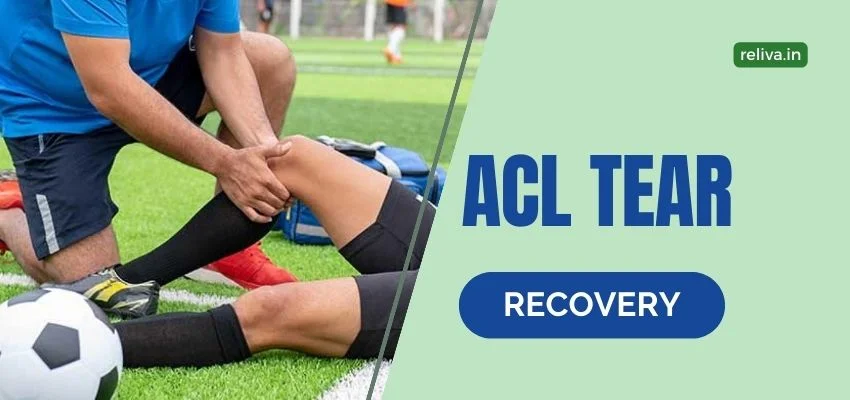
ACL tear is one of the most common sports injury, causing acute knee pain. Treatment includes knee ligament surgery and physiotherapy knee rehab
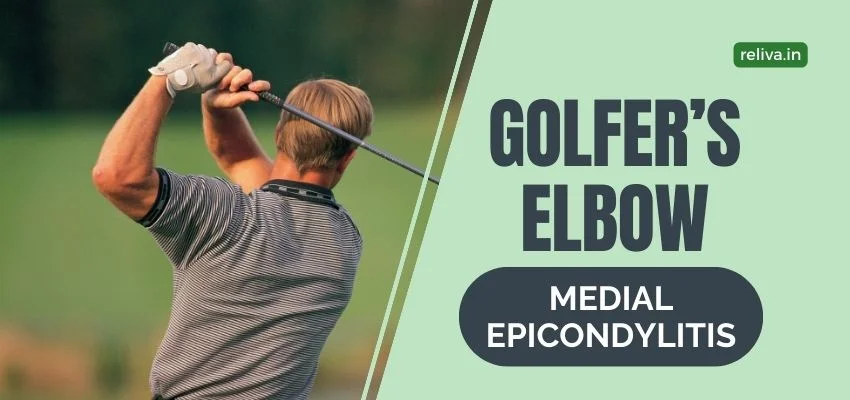
Golfer’s Elbow (Medial Epicondylitis) or baseball elbow causes elbow pain that can be resolved by treatment. Which is best for you – Golf elbow exercises or self care to cure this sports injury?

Injury during workouts can be devastating to fitness goals, but you can prevent their occurrence. We cover 7 common gym injuries around heel, knee, back, neck & shoulder, elbow & foot.
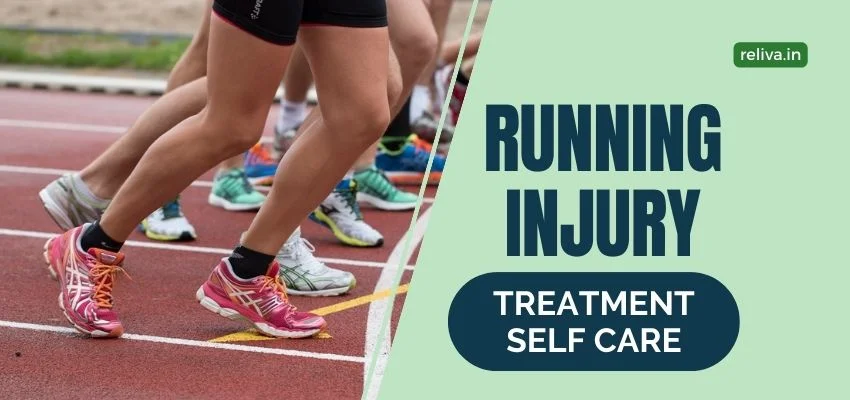
If you are running then you should know to recognize early warning signs of a running injury, tips to prevent it and also understand what care should be taken to treat these running injuries.
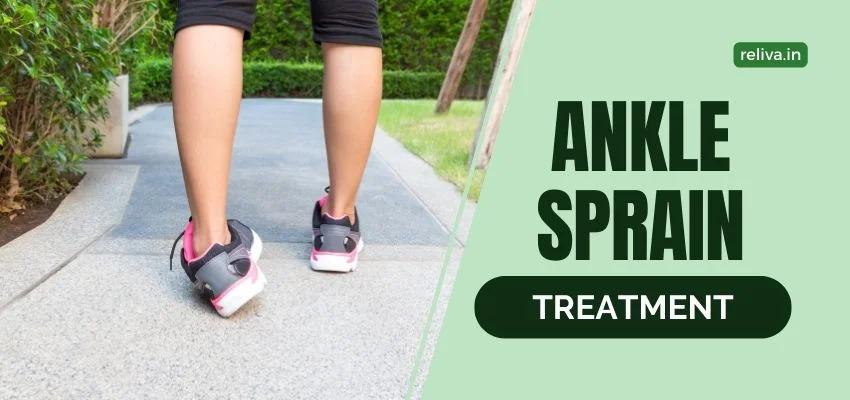
You may have sprained ankle or have pain in inner ankle or foot & ankle pain: Understand the types, symptoms and causes of ankle pain; best treatment for ankle pain.
How do you prevent injury when training for a marathon? ReLiva experts attempt to make the runners aware of the general thumb rules about running injuries.
Frequently Asked Questions
How soon can I return to sport after an ACL injury?
There is no fixed timeline for returning to sport after an ACL injury. Return is based on knee stability, range of motion, strength, balance, neuromuscular control and sport-specific functional testing. Returning too early can increase the risk of further injury. Your sports physiotherapist and doctor should guide a gradual, criteria-based return to play.
Is it safe to keep training with a mild sprain or strain?
Continuing full-intensity training with a sprain or strain is not recommended, even when the injury seems mild. Relative rest and appropriately modified activity can help maintain fitness while the injured tissue recovers. A sports physiotherapist can guide pain-free movement, progressive strengthening and a safe return to training.
Physiotherapy vs rest: which helps a sports injury heal faster?
For most sports injuries, rest alone is usually not the complete rehabilitation strategy. After the acute phase, appropriate physiotherapy can progressively restore mobility, strength, balance, conditioning and sport-specific function. The right approach depends on the injury and its severity; some injuries may initially require protection or reduced activity.
What is the cost of sports physiotherapy in India?
Sports physiotherapy costs vary by location, injury and treatment needs. At ReLiva, the initial physiotherapy assessment typically costs ₹500–₹750, while subsequent treatment sessions generally range from ₹500–₹1,750 per session. Fees may vary based on treatment complexity, therapist expertise, location and whether therapy is provided at home or in a clinic.
Do I need a scan before starting physiotherapy for a sports injury?
Not necessarily. Many sports injuries can initially be assessed clinically by a qualified physiotherapist or doctor without a scan. Imaging may be recommended when a fracture, significant ligament or tendon injury, or other structural problem is suspected. For example, ankle X-rays may be indicated when specific clinical criteria are present.
When should I see a sports medicine doctor instead?
A sports physiotherapist focuses on rehabilitation, movement, strength and return-to-sport, while a sports medicine doctor diagnoses injuries and manages medical treatment. See a sports medicine doctor when you have severe pain, significant swelling, suspected fracture or dislocation, joint instability, inability to bear weight, or symptoms requiring medication, imaging or further medical evaluation.