


Medically reviewed by Dr. Dipti Ahirekar (PT) – Updated March, 2026.
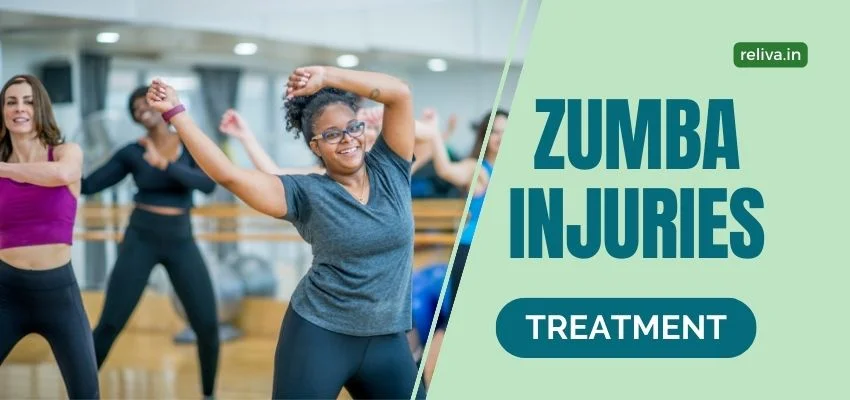
Zumba has become one of the most sought-after group fitness classes around the world, combining dynamic Latin dance moves with aerobic exercise. The energetic soundtrack and party-like environment make it a preferred choice for individuals looking for ways to elevate their cardiovascular health, burn calories, and exercise with friends. However, as with all high-motion exercise, Zumba can also cause musculoskeletal injuries if proper training, footwear, and training intensity are not considered.
In this ultimate guide, we will explain how to identify common Zumba-related injuries, strategies to prevent them, and how you can heal with physical therapy to become stronger and ready to exercise again after injury
Zumba is a fitness activity, but the physical demands of repeated jumps, pivots, directional changes and high-intensity movements can lead to sports- and exercise-related injuries. Sports physiotherapy can help active people manage these injuries, restore strength and movement, and safely return to Zumba and other fitness activities.
Understanding Zumba: Physical Demands
Zumba involves dynamic movements such as side shuffles, hops, pivots, and rapid directional changes. While these enhance cardiovascular fitness and coordination, they also mirror the stresses seen in common Dancing Injuries — imposing repetitive loading and rotational strain on joints, particularly in the lower limbs and spine.
- A cross-sectional study reported that approximately 29% of participants experienced Zumba-related injuries, with the knee being the most commonly affected region (~42%), followed by the ankle/foot, shoulder, calf, and lower back.
- Injury risk was higher in individuals attending ≥4 sessions per week, suggesting a strong association with training load and recovery time.
Zumba for Beginners: How to Start Without Getting Injured?
If you are starting Zumba after being inactive for some time, avoid jumping straight into high-intensity sessions. Your muscles, joints and cardiovascular system need time to adapt to the new activity and movement demands.
Start With a Beginner or Low-Impact Class
Choose a beginner-friendly Zumba class or a low-impact version if you are new to exercise. Focus first on learning the basic steps, maintaining balance and getting comfortable with changes in direction. You do not need to match the pace or intensity of experienced participants from your first session.
Increase Frequency and Intensity Gradually
Start with manageable sessions and give your body adequate recovery between classes. As your fitness and tolerance improve, gradually increase the duration, frequency or intensity rather than increasing everything at once. This can reduce the risk of overuse injuries, particularly in the feet, ankles, knees and calves.
Modify Jumps, Pivots and Fast Movements
You can modify high-impact movements when starting out. Replace jumps with controlled steps and reduce the depth or speed of movements that cause discomfort. When performing pivots or directional changes, focus on controlled foot placement and avoid forcing your joints into painful positions.
Listen to Your Body
Muscle soreness after a new workout can be normal, but sharp, persistent or worsening pain should not be ignored. If pain changes the way you move, continues between sessions or repeatedly returns, consider getting assessed by a physiotherapist before increasing your Zumba activity.

Common Zumba Injuries, Symptoms, and Mechanisms
1. Knee Pain After Zumba
The knee is the most injured area, often due to repetitive squatting, twisting, and lateral loading during dance routines. Stop doing these mistakes and avoid knee pain.
Zumba can affect your Knee with these symptoms:
- Pain around the kneecap (Patella) or joint line
- Swelling after activity
- Difficulty descending stairs or squatting
Improper alignment during dynamic steps increases stress on knee cartilage and ligaments. Likely causes include patellofemoral pain syndrome, meniscal irritation, or ligament strain, often related to poor alignment and inadequate hip control.
2. Ankle Sprain
Sudden directional changes or improper landing during zumba movements can stress ankle ligaments leading to sprains. This may manifest ankle sprain with following symptoms:
- Pain on the outer side of the ankle
- Swelling and bruising
- Difficulty weight- bearing
3. Foot Pain & Heel Pain (Plantar Fasciitis)
A lot of shock, particularly on hard surfaces such as concrete or tile, can irritate the plantar fascia, which is the band under your foot. People often report foot pain and following symptoms:
- Heel sharp pains in the morning or after Zumba class sessions
- Arch discomfort during push-off
4. Shin Splints after Zumba (Medial Tibial Stress Syndrome)
Too much jumping and quick foot movements without sufficient training may result in inflammation of the muscles of the shin. Common in beginners or otherwise sets in with a sudden increase in activity intensity. Common symptoms of shin splints include:
- Pain in the front of the lower leg
- Tenderness to touch
- Pain with repeated impact
5. Calf Muscle Strain from zumba
Sudden back-and-forth motions and jumps may excessively stress the calf muscles. This may lead to following symptoms:
- Sudden calf pain or tightness
- Pain during push-off or tiptoe standing
6. Hip Pain
Rotational actions and sideline steps may irritate the hip or the surrounding muscles, particularly if such actions are done without adequate warm-up. You may experience hip pain along with following symptoms:
- Pain in outer hip or groin
- Reduced mobility
7. Back Pain After Zumba-Class Workout
The rapid and repeated motion of the trunk when performed without stability can cause strain on the lower back. This may mean:
- Back pain with bending or prolonged standing
- Dull ache or stiffness in lower back
Muscle Soreness vs. Muscle Injury: How to Distinguish
Delayed Onset Muscle Soreness (DOMS)
- Affects muscles, not joints
- Appears 24-48 hours after exercise
- Feels like stiffness or tightness
- Improves with light activity
This is quite normal but usually alleviated after mild exercise coupled with rest.
Related Reading: Muscle Pain: DOMS
Injury
- Localised pain, swelling, bruising
- Pain during movement
- Persists beyond 72 hours or worsens
Experiencing any of these? Seek medical / physiotherapy evaluation if pain alters function, gait, or persists >3–5 days.
Why Floor and Footwear Matter?
Exercising on hard surfaces like concrete or tile increases ground reaction forces, transmitting stress to the knees, ankles, and spine. The use of appropriate shoes is therefore paramount in the prevention of injuries.
Recommended Zumba Footwear:
- Shoes that will be appropriate for zumba are those that provide:
-
- Good lateral support
- Cushioned midsole for shock absorption
- Lightweight but stable design
2. Avoid traditional running shoes, as they restrict pivoting due to high traction, increasing injury risk.
3. Prefer cross-training or dance fitness shoes designed for multidirectional movement.
Injury Prevention Tips while doing Zumba
Zumba is generally safe when performed correctly. However, it is strongly recommended to follow these guidelines to stay safe from injuries:
- Warm-Up & Cool-Down: Include dynamic warm-up (5–10 min) and post-exercise stretching.
- Training Frequency: Avoid excessive sessions without recovery. Ideal: 2–4 sessions/week with rest days
- Choose Appropriate Class Level: Beginners should start with low-impact or Zumba Gold.
- Hydration & Nutrition: Dehydration can impair coordination and increase fatigue-related injury risk.
- Focus on Technique: Proper body alignment reduces joint stress.
- Strength & Conditioning: Emphasize on
-
- Glute strengthening
- Core stability
- Balance training
Physiotherapy Management of Zumba Injuries
Physiotherapy provides a structured, evidence-based approach to recovery whether the injury is caused by Zumba, Rumba or any other form of dance and physical activity.
Key Physio Interventions that help treatment:
- Manual therapy for pain and soft tissue restriction
- Therapeutic exercise (strength, mobility, proprioception)
- Neuromuscular and movement retraining
- Load management and activity modification
- Patient education
At ReLiva, physiotherapy based rehabilitation follows a graded return-to-activity protocol to prevent recurrence.
Zumba Injury Rehabilitation: A Phased Approach to Recovery
Zumba has become one of the most popular group fitness activities worldwide, combining energetic Latin dance movements with aerobic exercise. While it is an enjoyable way to stay active, the fast-paced and repetitive nature of Zumba can sometimes lead to musculoskeletal injuries, especially when proper technique, conditioning, or load management is overlooked.
Recovery from a Zumba injury depends on the type and severity of the injury, your symptoms, and how your body responds to rehabilitation. Rather than following fixed timelines, rehabilitation should progress from protecting the injured area and managing symptoms to restoring movement, strength, balance, and Zumba-specific movement.
Phase 1: Protect & Manage Symptoms
In the early stage, the priority is to protect the injured area and avoid movements that significantly increase pain or swelling. Elevation and compression may help manage swelling, while ice can be used for short-term pain relief if it feels helpful. Gentle, pain-free movement may be introduced where appropriate to avoid unnecessary stiffness.
Phase 2: Restore Movement & Begin Loading
As symptoms settle, rehabilitation progresses towards restoring comfortable range of motion and gradually reintroducing load. Depending on the injury, this may include gentle strengthening, mobility work, balance exercises, and controlled weight-bearing activities.
Phase 3: Build Strength, Balance & Movement Control
Progressive strengthening helps restore the capacity needed for Zumba. Exercises may target the calves, quadriceps, hamstrings, glutes and core, along with balance, coordination and proprioception. The difficulty and load should increase gradually according to symptoms and function.
Phase 4: Return to Zumba
Returning to a full Zumba class should be gradual. Start with lower-impact movements, shorter sessions and reduced intensity before progressing towards normal classes. Sport- and activity-specific movements such as hopping, pivoting, directional changes and repeated steps should be reintroduced progressively.
At ReLiva Physiotherapy & rehab, we believe that the goal is not simply to become pain-free, but to restore the strength, movement control and confidence needed to participate safely and reduce the risk of reinjury.

Frequently Asked Questions (FAQs)
- Is Zumba okay for knees?
Ans. Yes, Zumba can be safe for the knees when performed with correct form, adequate muscle strength, and supportive footwear. Low-impact modifications can also help reduce stress on the joints if needed. - Is it safe to do Zumba every day?
Ans. Doing high-intensity Zumba every day is not recommended, as it may increase the risk of injury. It is important to allow adequate rest and recovery between sessions to prevent overuse. - Is Zumba hard on the hips?
Ans. Zumba involves rotational hip movements, which may place stress on the joints if flexibility and strength are insufficient. Proper conditioning can help reduce this risk. - Is Zumba a high-impact exercise?
Ans. Zumba can range from moderate to high impact depending on the choreography and intensity level. Low-impact variations are also available for those who need them. - What are the possible risks of doing Zumba?
Ans. If performed improperly, Zumba may lead to musculoskeletal strains, joint stress, or overuse injuries, especially without proper warm-up or technique. - Does Zumba cause muscle loss?
Ans. No, Zumba does not cause muscle loss. It primarily improves cardiovascular fitness and muscle endurance. Combining it with strength training can help maintain or build muscle mass. - Why does my body hurt after Zumba?
Ans. Mild muscle soreness, known as delayed onset muscle soreness (DOMS), is common after Zumba, especially for beginners. However, persistent or sharp pain may indicate an injury and should be evaluated. - Who should not do Zumba?
Ans. Individuals with acute injuries, balance disorders, or uncontrolled medical conditions should consult a healthcare professional before starting Zumba. - Which is better, gym or Zumba?
Ans. Both have their own benefits. Zumba is excellent for cardiovascular fitness and coordination, while gym workouts are better suited for targeted strength training. A combination of both can provide balanced fitness benefits.
Conclusion
Zumba remains a joyful way to stay active, but like any fitness routine, it demands awareness and care. By listening to your body, pacing your sessions, and seeking professional guidance when discomfort arises, you can continue to enjoy the rhythm without risking setbacks. Remember, prevention and timely support are key to keeping your fitness journey safe and sustainable.
If you’re experiencing pain or want expert advice on injury prevention, request a call back today to book your physiotherapy appointment and keep dancing with confidence.
This article is based on the inputs from Dr Dipti Ahirekar (PT). Dr. Dipti is a top rated physiotherapy expert in Wakad, Pune, practicing at Lifepoint Hospital. With a strong foundation in physiotherapy and rehabilitation, she focuses on helping patients recover from pain, injury, and postural dysfunctions. Her approach blends manual therapy with evidence-based exercise techniques to restore mobility, enhance strength, and improve overall quality of life, making her a trusted name for physiotherapy care in Wakad.

