

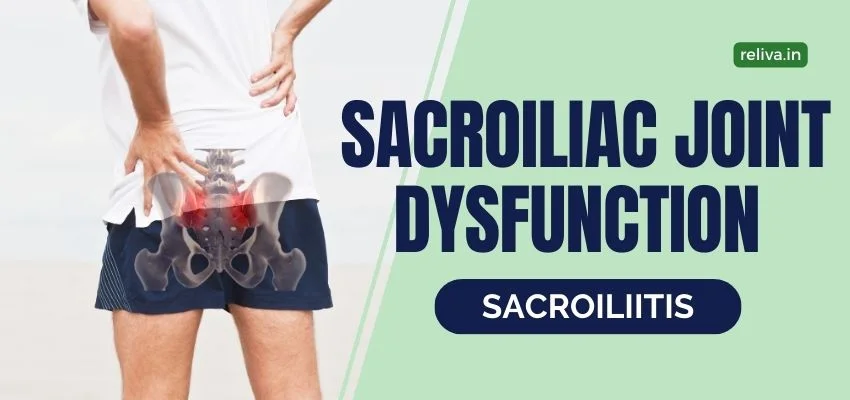

Dysfunction in the sacroiliac joint, or SI joint, is thought to cause low back pain and/or leg pain. The leg pain can be particularly difficult, and may feel similar to sciatica or pain caused by a lumbar disc herniation. Exercises are known to be the best treatment for Sacroiliac joint Dysfunction.
Where is SI Joint and Why Does it Hurt?
There are two Sacroiliac (SI) joints in your body, located on either side of the triangle-shaped bone at the bottom of the spine where it connects to your pelvis. The SI joints are a shock absorber for your spine and provide stability for your body as you run, walk, or jump. Interestingly enough, the SI joints usually don’t move more than 2 – 4 millimeters themselves. But each one contains many nerve endings that can cause significant pain if the joint is damaged or loses its ability to move properly. Everyday wear and tear, arthritis, or a single injury can damage these joints, changing their normal movement and creating chronic and sometimes debilitating SI joint pain that often, generally feels like low back pain.
Causes:
While it is not clear how the pain is caused, it is thought that an alteration in the normal joint motion may be the culprit that causes sacroiliac pain. This source of pain can be caused by either:
- Too much movement (hypermobility or instability): The pain is typically felt in the lower back and/or hip and may radiate into groin area.
- Too little movement (hypomobility or fixation): The pain is typically felt on one side of the low back or buttocks, and can radiate down the leg. The pain usually remains above the knee, but at times pain can extend to the ankle or foot.
Sacroiliitis (inflammation at SI Joint), Osteoarthritis, SI Joint Injury, Altered Walking Pattern, Infection, Prior Lumbar Fusion and Pregnancy are known to trigger SI Joint Dysfunction.
Symptoms of SI Joint Pain & Diagnosis
Some common symptoms for SI Joint Dysfunction are:
- Low back pain: Usually a dull ache on one side of your lower back that may extend into the thigh.
- Buttock Pain: Pain can range from an ache to a sharp stabbing pain that extends down one or both legs.
- Low Back Pain While Climbing Stairs: Activities that require the pelvis to twist may produce SI joint pain.
- Difficulty Sitting or Lying on One Side: Often experienced as an ache on one side that causes you to shift weight to one side to relieve the pain in the other.
It is important that a medical expert diagnose the cause of your lower back pain. Though the symptoms may be similar, however the treatment will greatly depend upon the underlying cause.
What Your Pain Location May Indicate?
The location and pattern of your pain can provide important clues about whether the sacroiliac (SI) joint may be involved. While an accurate diagnosis requires professional assessment, recognising common pain patterns can help you understand when SI joint dysfunction may be contributing to your symptoms. Orthopedic physiotherapy is known to resolve pain arising due to bio-mechanical issues.
Pain Near the Dimples of the Lower Back
Pain felt near the small dimples on either side of the lower back is one of the most characteristic signs of SI joint dysfunction. This discomfort is often localised just below the waistline and may worsen after prolonged sitting, standing, or changing positions. Many people describe it as a deep ache rather than a sharp pain.
Pain in One Buttock
SI joint dysfunction commonly causes pain in one buttock, particularly when the affected joint becomes irritated or inflamed. Unlike true sciatica, the pain often remains confined to the buttock area and does not usually travel far down the leg. The discomfort may feel deep, dull, or pressure-like and can worsen when sitting on one side for extended periods.
Pain During Walking
Pain that increases while walking, especially after longer distances, may indicate reduced stability or irritation of the SI joint. Some people experience discomfort with every step, while others notice pain building gradually as they continue walking. Uneven weight distribution and altered movement patterns can place additional stress on the joint and contribute to symptoms.
Pain While Standing on One Leg
Activities that place more weight through one side of the pelvis can aggravate SI joint dysfunction. You may notice pain when standing on one leg while climbing stairs, putting on trousers, stepping into a vehicle, or getting in and out of bed. These movements increase the load transferred through the SI joint and may reproduce familiar symptoms.
Pain During Pregnancy
Pregnancy-related hormonal changes can increase ligament laxity around the pelvis, making the SI joints more vulnerable to irritation and instability. Pain is often felt in the lower back, buttock, or pelvic region and may worsen during walking, turning in bed, climbing stairs, or standing for prolonged periods. SI joint dysfunction is a common contributor to pelvic girdle pain during pregnancy and after childbirth. Pregnancy Physiotherapy at ReLiva will include assessment to diagnose and treat Sacroiliac Joint issues.
If your symptoms closely match any of these patterns, a detailed physiotherapy assessment can help determine whether the SI joint is the source of your pain and guide the most appropriate treatment approach.
SI Joint Pain vs Sciatica: What’s the Difference?
| SI Joint Pain | Sciatica |
|---|---|
| Usually felt on one side of lower back or buttock | Travels from back into leg |
| Local aching pain | Sharp, burning, electric pain |
| Worse when turning in bed or standing on one leg | Worse with nerve irritation |
| Rarely causes numbness | Often causes tingling or numbness |
Can SI Joint Dysfunction Cause Buttock Pain?
Yes. SI joint dysfunction is one of the most common causes of pain in one buttock. Because the sacroiliac joint sits between the spine and pelvis, irritation of the joint can refer pain into the buttock, groin, or upper thigh. This often leads people to mistake SI joint pain for sciatica, piriformis syndrome, or even a hip problem.
Why SI Joint Pain Often Spreads into the Buttock
The ligaments and nerves around the sacroiliac joint share connections with nearby muscles and tissues in the buttock region. When the joint becomes inflamed or unstable, pain is frequently felt deep in one buttock and may worsen while sitting, walking, climbing stairs, or turning in bed.
SI Joint Dysfunction vs Piriformis Syndrome
Both conditions can cause buttock pain, but piriformis syndrome occurs when the piriformis muscle irritates the sciatic nerve. SI joint dysfunction usually produces pain closer to the lower back and pelvic region, while piriformis syndrome often causes muscle tenderness deep in the buttock and may trigger symptoms that travel down the leg.
SI Joint Dysfunction vs Hip Pain
Hip problems typically cause pain around the outer hip, groin, or front of the thigh and are often aggravated by hip movement. SI joint dysfunction is more likely to cause pain near the dimples of the lower back, buttock, or pelvis and may worsen when standing on one leg, walking, or changing positions.
Treatment for SI Joint Dysfunction:
Treatments for sacroiliac joint dysfunction (SI joint pain) are usually conservative (meaning non-surgical) and focus on trying to restore normal motion in the joint.
Typical treatments for sacroiliac joint dysfunction include:
- RICE : R.I.C.E. treatment that typically includes use of ice or cold packs, applied in 15 to 20 minute intervals as needed to reduce inflammation in the area, along with rest is recommended to ease symptoms. Depending on the duration of sharp, intense pain, ice can be continued anywhere between 2 days to 2 weeks. Once the inflammation is less, gradual return to normal activities may be advisable. Read more: RICE
- Medicines: Your doctor may prescribe pain medications as well as anti-inflammatory medications to reduce the swelling that is usually contributing to the pain.
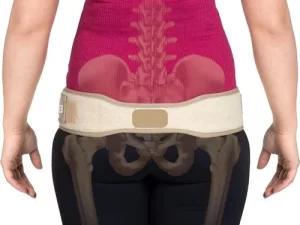
- Supports, braces and Belts: When the SI joint is “hypermobile” or too loose, an “orthotic” or SI brace about the size of a rather wide waist-belt can be wrapped around the waist and pulled snugly to stabilize the area. This can sometimes be very helpful at times when the joint is inflamed or painful. When it calms down, the support can be weaned away.
Physiotherapy and Exercise :
Controlled, gradual physical therapy is an evidence based technique found helpful to strengthen the muscles around the sacroiliac joint and appropriately increase range of motion. Supervised gentle exercise will help increase the flow of blood to the area, which in turn stimulates a healing response.
Contact a ReLiva Expert to get a customized SI joint pain treatment programs designed for your specific concerns. It may include stabilization training, stretching exercises and heat/ice therapy to compliment other treatment aspects prescribed by your doctor.
Coping with Sacroiliac Joint Dysfunction

Adding exercise and physical therapy to your sacroiliac joint dysfunction treatment plan can significantly help you manage SI joint pain symptoms. There are numerous gentle exercises and stretches you can do to help decrease pain caused by SI joint dysfunction.
Contact a ReLiva Expert to design overall exercise plan for SI joint dysfunction, incorporating the 3 main types of exercise—aerobic, strengthening, and flexibility exercises—into your workout routine.
Can Physiotherapy Help SI Joint Dysfunction?
Yes. Physiotherapy is often one of the most effective non-surgical treatments for SI joint dysfunction. Treatment focuses on reducing pain, improving joint stability, correcting movement patterns, and strengthening the muscles that support the pelvis and lower back. Many people experience significant improvement in their symptoms with a structured physiotherapy programme and do not require invasive procedures.
Why Physiotherapy Is Often First-Line Treatment
Physiotherapy addresses the underlying factors that contribute to SI joint pain rather than simply masking symptoms. Depending on the cause of dysfunction, treatment may include manual therapy, targeted exercises, posture correction, pelvic stabilisation training, and activity modification. By improving how the pelvis, hips, and lower back work together, physiotherapy can reduce stress on the SI joint and improve long-term function.
How Long Does Recovery Take?
Recovery time varies depending on the severity and duration of symptoms. Mild cases may improve within a few weeks, while long-standing or recurrent SI joint dysfunction may take several months of consistent treatment and exercise. Factors such as activity levels, pregnancy-related changes, joint stability, and adherence to rehabilitation can influence recovery speed.
Can Surgery Usually Be Avoided?
In most cases, yes. The majority of people with SI joint dysfunction improve with conservative treatment, including physiotherapy, exercise, and lifestyle modifications. Surgery is rarely required and is generally considered only when symptoms remain severe despite comprehensive non-surgical treatment. Early diagnosis and appropriate rehabilitation can often help avoid the need for more invasive interventions.
Why Does SI Joint Pain Keep Coming Back?
SI joint pain often returns when the underlying cause remains unaddressed. Joint instability, weak core and pelvic muscles, poor movement habits, and biomechanical issues can continue to place stress on the sacroiliac joint even after symptoms improve. Factors such as prolonged sitting, uneven weight-bearing, poor posture, hip weakness, or altered walking patterns may contribute to recurring pain. Simply treating symptoms may provide temporary relief, but long-term recovery requires identifying and correcting these contributing factors. Physiotherapy can help improve stability, movement patterns, and muscle function to reduce the risk of future flare-ups.

FAQs on SI Joint Dysfunction
Can SI Joint Pain Go Away on Its Own?
Mild SI joint pain may improve with rest and activity modification. However, recurring or persistent symptoms often indicate underlying instability, muscle weakness, or movement issues that may require physiotherapy to achieve lasting relief and prevent future flare-ups.
Is Walking Good for SI Joint Dysfunction?
Yes, gentle walking is often beneficial for SI joint dysfunction as it promotes movement, circulation, and muscle activity. However, excessive walking or walking with poor mechanics may aggravate symptoms. Activity levels should be adjusted according to pain and tolerance.
Is SI Joint Dysfunction Permanent?
No, SI joint dysfunction is not usually permanent. Many people experience significant improvement with physiotherapy, exercise, and lifestyle modifications. Recovery depends on factors such as the underlying cause, symptom duration, and adherence to a rehabilitation programme.
Can SI Joint Dysfunction Cause Leg Pain?
Yes, SI joint dysfunction can cause pain that spreads into the buttock, groin, or upper thigh. Although it may mimic sciatica, SI joint pain typically does not extend below the knee or cause significant nerve-related symptoms.
What Is the Fastest Way to Relieve SI Joint Pain?
The fastest relief often comes from a combination of activity modification, targeted physiotherapy, pain management strategies, and exercises that improve pelvic stability. Identifying and addressing the underlying cause provides more effective long-term relief than simply treating symptoms.
Related Reading :
Do’s and Don’ts for SI Joint Pain / Pelvis Pain
Have SI Joint Pain?
Start your Recovery Now!
Book an appointment for Sacroiliac Joint Dysfunction treatment today!
<script type="application/ld+json">
{
"@context": "https://schema.org",
"@type": "BlogPosting",
"mainEntityOfPage": {
"@type": "WebPage",
"@id": "https://reliva.in/sacroiliitis-sacroiliac-joint-dysfunction/"
},
"headline": "Sacroiliitis, Sacroiliac Joint Dysfunction",
"description": "Sacroiliac joint dysfunction, or SI joint pain, can cause low back and leg pain. The leg pain can be particularly difficult, and may feel like sciatica or pain caused by a lumbar disc herniation.",
"image": "https://reliva.in/wp-content/uploads/2024/01/Sacroiliitis-sacroiliac-Joint-Dysfunction-150x150.webp",
"author": {
"@type": "Organization",
"name": "ReLiva"
},
"publisher": {
"@type": "Organization",
"name": "ReLiva Physiotherapy & Rehab",
"logo": {
"@type": "ImageObject",
"url": "https://reliva.in/wp-content/uploads/2024/01/ReLiva-Physiotherapy-Rehab-Logo.webp"
}
},
"datePublished": "2024-01-21",
"dateModified": "2024-06-5"
}
</script>
<script type="application/ld+json">
{
"@context": "https://schema.org",
"@type": "FAQPage",
"mainEntity": [{
"@type": "Question",
"name": "Can SI Joint Pain Go Away on Its Own?",
"acceptedAnswer": {
"@type": "Answer",
"text": "Mild SI joint pain may improve with rest and activity modification. However, recurring or persistent symptoms often indicate underlying instability, muscle weakness, or movement issues that may require physiotherapy to achieve lasting relief and prevent future flare-ups."
}
},{
"@type": "Question",
"name": "Is Walking Good for SI Joint Dysfunction?",
"acceptedAnswer": {
"@type": "Answer",
"text": "Yes, gentle walking is often beneficial for SI joint dysfunction as it promotes movement, circulation, and muscle activity. However, excessive walking or walking with poor mechanics may aggravate symptoms. Activity levels should be adjusted according to pain and tolerance."
}
},{
"@type": "Question",
"name": "Is SI Joint Dysfunction Permanent?",
"acceptedAnswer": {
"@type": "Answer",
"text": "No, SI joint dysfunction is not usually permanent. Many people experience significant improvement with physiotherapy, exercise, and lifestyle modifications. Recovery depends on factors such as the underlying cause, symptom duration, and adherence to a rehabilitation programme."
}
},{
"@type": "Question",
"name": "Can SI Joint Dysfunction Cause Leg Pain?",
"acceptedAnswer": {
"@type": "Answer",
"text": "Yes, SI joint dysfunction can cause pain that spreads into the buttock, groin, or upper thigh. Although it may mimic sciatica, SI joint pain typically does not extend below the knee or cause significant nerve-related symptoms."
}
},{
"@type": "Question",
"name": "What Is the Fastest Way to Relieve SI Joint Pain?",
"acceptedAnswer": {
"@type": "Answer",
"text": "The fastest relief often comes from a combination of activity modification, targeted physiotherapy, pain management strategies, and exercises that improve pelvic stability. Identifying and addressing the underlying cause provides more effective long-term relief than simply treating symptoms."
}
},{
"@type": "Question",
"name": "Why Does SI Joint Pain Keep Coming Back?",
"acceptedAnswer": {
"@type": "Answer",
"text": "SI joint pain often returns when the underlying cause remains unaddressed. Joint instability, weak core and pelvic muscles, poor movement habits, and biomechanical issues can continue to place stress on the sacroiliac joint even after symptoms improve. Factors such as prolonged sitting, uneven weight-bearing, poor posture, hip weakness, or altered walking patterns may contribute to recurring pain. Simply treating symptoms may provide temporary relief, but long-term recovery requires identifying and correcting these contributing factors. Physiotherapy can help improve stability, movement patterns, and muscle function to reduce the risk of future flare-ups."
}
},{
"@type": "Question",
"name": "Can Physiotherapy Help SI Joint Dysfunction?",
"acceptedAnswer": {
"@type": "Answer",
"text": "Yes. Physiotherapy is often one of the most effective non-surgical treatments for SI joint dysfunction. Treatment focuses on reducing pain, improving joint stability, correcting movement patterns, and strengthening the muscles that support the pelvis and lower back. Many people experience significant improvement in their symptoms with a structured physiotherapy programme and do not require invasive procedures."
}
}]
}
</script>