



Medically reviewed by Dr. Dickson Philip Samuel (PT) – Updated December, 2025.
Spinal physiotherapy is a proven way to treat many spine-related problems. It helps people who suffer from back pain, herniated discs, sciatica, and other common spine conditions. With the right spinal physiotherapy treatment, you can reduce pain, improve movement, and avoid long-term complications. This guide explains how spinal physiotherapy works and how it supports spine rehab for different conditions. Whether you’re looking for spine rehab near you or want to understand how physiotherapy helps the spine heal, this article will give you a clear starting point.
Spinal wellness is a crucial component of overall well-being and quality of life since the spine supports the structure of the body, enables movement, and covers the spinal cord. Spinal dysfunction or pain has the potential to hinder daily life, limit mobility, and reduce quality of life. Spinal physiotherapy is one of the key ways to manage spine disorders, providing relief, recovery of function, and preventing complications in the long run. ReLiva Physiotherapy offers expert spinal physiotherapy assessment and treatment near me across India by combining experience, cutting-edge technology, and personalized treatment protocols to help people regain freedom of movement and live a pain-free life.
Why Spinal Physiotherapy is Essential
Studies [1] suggest that the overall global incidence of traumatic Spinal cord Injury (SCI) is estimated to be 10 cases per 100,000 people; however, this varies greatly across countries. Best estimates suggest that there are 20.6 million people living with SCI globally [2].
Once a person has a spinal problem, it directly affects their everyday health and quality of life. This is likely to decline if left unaddressed. Spinal physiotherapy is essential for recovery and restoration of back health. Physiotherapists are qualified to relieve pain, enhance flexibility, and provide proper posture through directed exercise and manual therapy. Early intervention prevents worsening of the condition, decreases the risk of chronic back problems, and maintains overall mobility. Regular physiotherapy also teaches patients proper body mechanics and home care, which decreases stress and prevents ongoing spinal injury.
Common Spine Disorders that are Treated with Physiotherapy
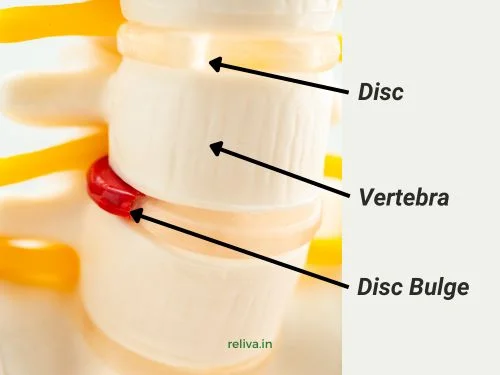
Herniated Disc / Slipped Disc
A slipped or herniated disc occurs when the soft inner part of a spinal disc breaks through the outer casing, compressing the nerve and causing pain in the back. Physiotherapy for slipped disc reduces pain, restores spinal mobility, and strengthens stabilizing muscles to prevent recurrence.
Related Reading: Disc Prolapse [PIVD]
PIVD: Slipped Disc Treatment with Online Physiotherapy
Sciatica & Nerve Compression
Sciatica occurs due to compression of the sciatic nerve, resulting in radiating pain from the lower back to the leg. Evidence based physiotherapy for the treatment of sciatica addresses relieving the pressure on the nerve by Neural mobilization techniques to improve mobility, along with core muscle strengthening to stabilize the spine.
Related Reading: Sciatica Pain and Treatment
Spinal Stenosis
Spinal stenosis is the narrowing of the spinal canal, which can compress the spinal cord or nerves. Spinal physio treatment protocols focus on correcting posture, flexibility exercises, and core strengthening to reduce pain and enhance functional mobility.
Related Reading: Guide to Spinal Stenosis: Physiotherapy & Recovery Plan for Back and Neck Pain
Scoliosis & Postural Problems
Scoliosis is a curvative deformation of the spine, typically leading to postural abnormalities and imbalance. Proper spine rehabilitation enables better alignment, flexibility, and core strength to reduce discomfort and aid more efficient posture.
Related Reading: Scoliosis Physiotherapy: Spine Alignment and Posture Correction
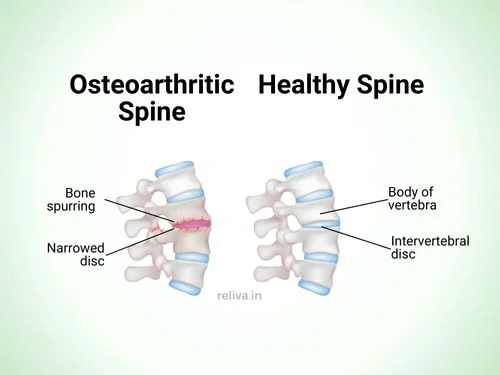
Degenerative Disc Disease / Spinal Arthritis
Stiffness, pain, and loss of mobility in the spine can occur due to arthritis or wear and tear due to aging. Spine physiotherapy for patients with back pain associated with degenerative disc disease attempts to reduce pain, increase range of motion, and increase strength of muscle to help stabilize the spine and maintain functional mobility. In fact, spine arthritis physiotherapy focuses on relieving stiffness, restoring posture, and strengthening stabilizing muscles, making it one of the most effective non‑surgical approaches for long‑term spine health.
Related Reading: Spinal Physiotherapy for Degenerative Disc Disease
Osteoporosis: All You Wanted To Know
Understanding Spondylosis VS Spondylitis
Spinal Cord Injury Rehab
Spinal cord injuries [3] require intensive and progressively graded rehabilitation to regain movement and independence. Spine rehabilitation near me includes evidence based exercises, manual therapy, and adaptive techniques to regain functional mobility and prevent complications.
Related Reading: Spinal Cord Injury Rehab in India
Neuro Rehabilitation Centers in India
Sports-Related Spine Injuries
Spine injuries are common among athletes due to overuse, strain, or trauma. Physiotherapy treatment for the spine aids recovery by relaxing pain, improving flexibility, and regaining strength and stability in order to prevent new injuries.
Related Reading: Sports Physiotherapy
How Physiotherapy Helps in Spinal Conditions
When pain in your back or neck starts interfering with everyday life, from sitting comfortably to taking a short walk, it’s easy to feel limited and frustrated. But the truth is, your spine has an incredible ability to heal and regain strength when guided the right way. That’s exactly where physiotherapy comes in.
Not just among adults, recent studies [4] provide strong support for the use of physiotherapy in the improvement of back care and prevention of non-specific low back pain even in children and adolescents.
Physiotherapy isn’t just about temporary pain relief. It focuses on correcting the root cause, improving posture, strengthening muscles, increasing flexibility, and restoring natural spinal movement. Through tailored exercises, hands-on therapy, and guided rehabilitation, physiotherapists help you move better, feel stronger, and prevent future flare-ups.
Whether it’s spinal stenosis, a slipped disc, degenerative disc disease, or chronic lower back pain, physiotherapy offers a structured, non-surgical path to recovery that helps you return to your routine without fear or restriction.
Physiotherapy integrates methods to cure spinal disorders effectively:
- Manual Therapy & Mobilisation: Removes stiffness, improves joint mobility, and relieves pain.
- Specific Exercises: Strengthening and stretching exercises enhance spinal flexibility and stability.
- Relief from Pain & Posture Improvement: Therapeutic intervention and posture training avoid re-straining.
- Individualised Rehab Programmes: Personalised programmes ensure gradual safe progress, be it after injury, surgery, or management of chronic disease.
Get started with your Recovery Now! Simply click below and get in touch with us to book a convenient appointment nearby.
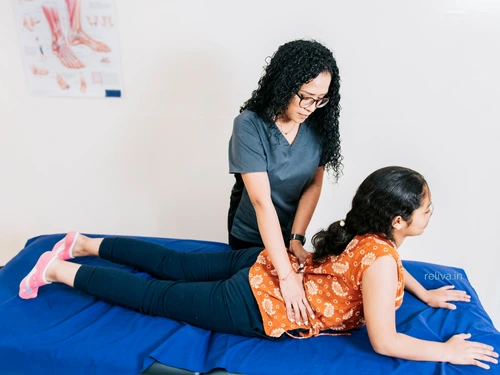
Home Care & Spinal Exercises for Well-being
Your spine is the body’s central support framework, it supports your weight, facilitates movement, and encases the nerves that connect your brain to the rest of your body. Taking care of it is not about periodic exercise or visits to the doctor; it’s about creating small, daily habits that promote spinal health.
Whereas physiotherapy sessions work under the guidance of experts for recovery and building strength, home care is equally important for maintaining your spine flexible, strong, and free from pain.
-
Stretching & Strengthening Exercises
Strengthening and gentle stretching exercises are the basis of spinal health. Every day, practices that target your neck, back, and core muscles keep your muscles flexible, reduce stiffness, and offer greater support to your spine. Posture-enhancing exercises such as pelvic tilts, cat-cow stretches, or bridges ease tension in your lower back. Strengthening your core – your natural support, relieves unnecessary strain on your spine and keeps it stable all day long.
-
Ergonomic Advice for Daily Posture
Your daily posture directly affects your spinal health. Sitting at a desk slouched or lifting heavily wrongly can progressively stress the spine and exacerbate pain. Attempt to maintain your workspace ergonomic:
- Sit straight-backed and shoulder-relaxed.
- Position your screen at eye level and place feet flat on the floor.
- When lifting, bend your knees, not your back, and hold things against your body.
- Even minor adjustments such as sitting in a supportive chair or taking brief stretch breaks every hour will avoid stiffness and long-term spinal problems.
-
Lifestyle Changes That Count
Your lifestyle determines your spine’s destiny. Don’t sit or stand in a fixed position for long periods; keep moving to ensure circulation and ease muscle tension. Walking regularly, yoga, or swimming can contribute a great deal to maintaining spinal flexibility and resilience. A healthy body weight is also critical because being overweight places additional strain on the lower back and joints.
Last but not least, get restorative sleep. A supportive but firm mattress and a pillow that keeps your neck in alignment can make huge world of difference and positive impact in the way your back feels in the morning.
All these little habits put together make a big difference. Combined with regular physiotherapy treatments, home care and careful movement become potent agents for long-term spinal health, keeping you active, mobile, and pain-free.
Empowering Patients with Spinal Physiotherapy for Long-Term Spinal Health
Physiotherapy not only works towards curing present spinal problems but also educates patients with the skills and information to manage their spine health. At ReLiva Physiotherapy, by way of training, patients are taught how to assume good posture, modify habits, and execute specific exercises that reduce stress on the back and neck. By learning about the mechanics of the spine, the patient is able to prevent repeated injuries, alleviate pain successfully, and remain mobile. This proactive strategy guarantees that patients are able to engage completely in their occupational and recreational activities, occupational activity, and recreational activities without risking exacerbation of their condition, ultimately enhancing long-term results and overall quality of life.
Aside from hands-on treatment, regular follow-up and vigilant monitoring are also key elements of successful spinal rehabilitation. ReLiva physiotherapists create dynamic care programs that adapt to the patient’s improvement, integrating clinic-based therapy sessions with organized home exercise programs. This helps maintain the improvement over time, avoids reversals, and promotes self-reliance in the care of spinal well-being. With the incorporation of a tailored approach, ergonomic suggestions, and continued guidance, patients can attain long-term recovery, improve strength and flexibility, and safeguard the spine from future damage or ongoing problems.
Getting Proper Spinal Physiotherapy in Your Area
When searching for a spinal physiotherapy treatment, look for proximity of physiotherapist, qualification, musculoskeletal specialization, and availability of modern treatment techniques. ReLiva Physiotherapy provides holistic spinal physio near me with over 60 clinics in 20 prominent Indian cities. Patients benefit from highly skilled physiotherapists, individualized care plans, and holistic recovery strategies, whether it’s herniated disc, sciatica, or back pain physiotherapy.
Find your nearest ReLiva Physiotherapy Clinic and experience expert, personalized care designed to help you move better, recover faster, and live healthier, naturally.
Ask for callback and book a convenient appointment today.
~~~~~~~~~~
This post has been reviewed by Dr Dickson (PT). Physiotherapist Dr. Dickson Philip Samuel is a skilled musculoskeletal physiotherapist in Pune, with expertise in spine related orthopedic and sports injuries. He combines evidence-based physio modalities with advanced physiotherapy techniques to provide personalized rehabilitation to people of all ages. His approach emphasizes restoring mobility, reducing pain, and enhancing functional strength, ensuring improved quality of life.
Scholarly References:
[1] “Traumatic spinal injury: global epidemiology and worldwide volume”; R. Kumar, J. Lim, R.A. Mekary, A. Rattani, M.C. Dewan, S.Y. Sharif, et al; World Neurosurg, 113 (2018), pp. e345-e363
[2] “Global, regional, and national burden of spinal cord injury, 2019: a systematic analysis for the Global Burden of Disease Study 2019”; M. Safdarian, E. Trinka, V. Rahimi-Movaghar, A. Thomschewski, A. Aali, G.G. Abady, et al; Lancet Neurol, 22 (2023), pp. 1026-1047
[3] “Rehabilitation of spinal cord injuries”; Kemal Nas, Levent Yazmalar, Volkan Şah, Abdulkadir Aydın, Kadriye Öneş; PMCID: PMC4303793 PMID: 25621206
[4] “Effectiveness of physiotherapy interventions for back care and the prevention of non-specific low back pain in children and adolescents: a systematic review and meta-analysis”; García-Moreno, J.M., Calvo-Muñoz, I., Gómez-Conesa, A. et al; BMC Musculoskelet Disord 23, 314 (2022). doi.org/10.1186/s12891-022-05270-4