

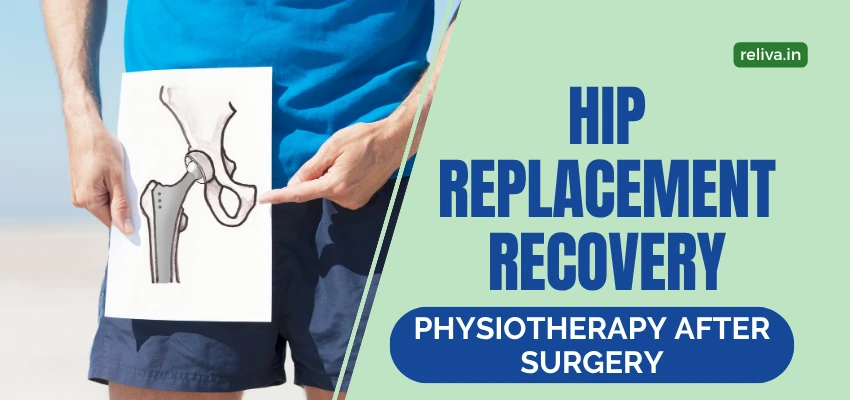

Hip replacement surgery is commonly performed for conditions like arthritis, fractures, or joint degeneration. While the procedure replaces the damaged joint with an artificial implant, surgery is only the first step toward hip recovery.
What truly determines how well a patient regains mobility is proper rehabilitation. With the right physiotherapy support, patients can improve walking ability, rebuild strength, restore balance, and regain confidence in daily activities.
At ReLiva Physiotherapy & Rehab, recovery is approached in a structured and patient-focused way, ensuring individuals return to their routine safely and comfortably.
According to the American Academy of Orthopaedic Surgeons (AAOS) and NHS, “hip replacement is a safe and effective procedure for reducing pain and improving mobility.” Recovery after hip replacement surgery depends on structured physiotherapy and rehabilitation.
Hip Replacement Recovery – Quick Answer
Most patients recover within 3 to 6 months after hip replacement surgery with proper physiotherapy. Recovery includes gradual improvement in walking, strength, and balance. Early rehabilitation, guided exercises, and following precautions are essential for safe recovery. Structured physiotherapy helps reduce pain, restore mobility, and prevent complications, allowing patients to return to daily activities with confidence.
Early, guided physiotherapy can make recovery smoother, safer, and more confident. If you’re unsure where to start, expert physiotherapists at ReLiva Physiotherapy & Rehab can guide you at every stage of recovery.
Talk to a Physiotherapist
What Happens After Hip Replacement Surgery
After hip replacement surgery, the natural joint is replaced with an artificial implant designed to reduce pain and improve movement. However, the surrounding muscles often become weak due to surgery and pre-existing inactivity.
Patients may experience stiffness, difficulty walking, and reduced balance in the initial phase. Pain and swelling are also common as the body heals. These changes can make even simple movements feel challenging.
Given these hip replacement recovery challenges, there is a higher risk of poor mobility, imbalance, and even falls in the absence of a proper rehabilitation. This is why guided recovery becomes essential. Physiotherapy helps restore strength, improve joint movement, and gradually bring the body back to normal function.
Why Physiotherapy Is Important After Hip Replacement
Physiotherapy plays a crucial role in ensuring successful recovery after hip replacement. It focuses on:
- Restoring movement and flexibility to improve hip mobility and daily function
- Strengthening muscles around the hip
- Preventing stiffness and contractures
- Improving walking pattern, balance, and coordination
- Reducing pain and swelling
- Preventing long-term functional limitations
Post operative physiotherapy also helps improve walking patterns, balance, and coordination, which are essential for safe mobility. Without proper rehabilitation, patients may struggle with long-term discomfort or limited function.
Supervised physiotherapy ensures that exercises are performed correctly and safely, reducing the risk of complications. Structured post-operative physiotherapy programs at ReLiva help patients recover faster, reduce pain, and return to normal activities safely.
Similar structured rehabilitation also helps patients recover faster after knee surgery, where guided physiotherapy plays a key role in regaining strength and mobility.

Hip Replacement Recovery Timeline (Week-by-Week Guide)
Hip replacement recovery typically follows a structured timeline, although it varies from person to person.
Weeks 0–2: Immediate Post-Operative Recovery
During the initial phase, the focus is on pain management and basic mobility. Patients usually begin walking with support such as a walker. Gentle movements and circulation exercises are introduced to prevent stiffness and improve blood flow.
Weeks 3 to 6 after Hip replacement
Patients gradually improve their walking ability with guided training. Light strengthening exercises begin, along with balance training. Confidence in movement starts to build during this phase.
6 Weeks to 3 Months Post Hip surgery
Mobility improves significantly, and patients begin performing daily activities more independently. Endurance increases, and tasks like climbing stairs become easier with proper guidance.
3 to 6 Months Recovery
Most patients achieve near-normal walking and improved strength by this stage. Confidence returns, and individuals can resume routine activities. “Continued physiotherapy ensures long-term stability and prevents complications”, says Dr. Dr Khushbu (PT), specialised orthopedic physiotherapist at ReLiva Physiotherapy & Rehab, Vadodara.
Recovery timelines are similar to other major joint surgeries including physiotherapy after knee replacement surgery, where gradual progression and guided exercises are essential for safe and effective healing. But recovery after hip replacement requires specific focus on hip mobility, balance, and walking patterns.
Most patients recover within 3 to 6 months after hip replacement with proper physiotherapy. Physiotherapy remains important at every stage to support safe and steady progress.
Early physiotherapy guidance can make recovery smoother and safer. Want to know more?
Exercises After Hip Replacement (Overview of Safe Physiotherapy)
Exercise is an important part of recovery after hip replacement, but it must be done carefully. Early stages focus on gentle movement and circulation exercises to reduce stiffness.
As recovery progresses, strengthening exercises help rebuild muscles around the hip. Balance training improves stability, while gait training helps correct walking patterns. Functional training prepares patients for daily tasks like sitting, standing, and climbing stairs.
Specific exercises after hip replacement should be done under physiotherapy guidance to avoid strain on the new joint. Supervised therapy ensures safety and better outcomes.
You can explore detailed exercises in our dedicated guide on exercises after hip replacement.
Related Videos
Hip Replacement Recovery: Do’s and Don’ts Gujarati
Hip Replacement Exercises Marathi
Precautions After Hip Replacement Surgery
Following the right precautions after hip replacement surgery is essential to protect the new joint and avoid complications. Patients should avoid bending the hip excessively, especially while sitting or picking objects from the floor.
Twisting movements should be avoided, as they can strain the joint. Sitting on very low surfaces can also put unnecessary pressure on the hip.
Using support while walking, especially in the early stages, helps prevent falls. Sudden or jerky movements should be avoided at all times.
For elderly patients, fall prevention becomes even more important. Ensuring a safe home environment and using assistive devices when needed can make a big difference.
Following the right precautions, along with physiotherapy reduces the risk of complications and helps faster recovery.
When Should Physiotherapy Start After Hip Replacement
Physiotherapy usually starts very early, within 24 hours after surgery, often while the patient is still in the hospital. Early Physiotherapy after hip surgery includes gentle mobility exercises, bed transfers and standing practice along with teaching the patient to walk with support.
Once the patient returns home, therapy continues with guided exercises and walking practice. As recovery progresses, clinic-based rehabilitation may be recommended for more advanced training.
The duration and intensity of physiotherapy after surgery, vary depending on the patient’s age, condition, and type of surgery. Expert guidance ensures that recovery is safe and effective at every stage.
Just like physiotherapy after spine surgery, early and structured rehabilitation after hip replacement helps prevent complications and improves long-term outcomes. At ReLiva Physiotherapy & Rehab, personalised rehabilitation programs are designed based on surgery type, age, and recovery stage to ensure safe progress.
Signs You Need Supervised Physiotherapy
Some patients may need closer supervision during recovery. Difficulty walking, persistent pain, or noticeable imbalance are common signs that professional support is required.
Stiffness that does not improve, fear of movement, or slow progress in recovery also indicate the need for guided therapy.
Supervised physiotherapy after surgery helps recovery by addressing these issues early and prevents long-term complications. At ReLiva, patients receive structured care that focuses on safe recovery and improved independence.
When to Consult a Physiotherapist Immediately
- Severe pain or worsening symptoms
- Difficulty standing or walking
- Loss of balance or frequent falls
- Delayed recovery beyond expected timeline
How ReLiva Physiotherapy & Rehab Helps After Hip Replacement
Recovery after hip replacement requires structured rehabilitation guided by experienced professionals. At ReLiva Physiotherapy & Rehab, patients benefit from physiotherapists who routinely manage post-surgical orthopaedic cases, including hip and knee replacements, ensuring care is based on real clinical experience.
Each rehabilitation plan is personalised based on the patient’s surgery, mobility level, age, and recovery goals. Treatment follows evidence-based physiotherapy protocols, with continuous monitoring and progression to ensure safe and effective outcomes.
To give a real example, is the patient review from ReLiva Physiotherapy in Wakad, Pune – Ms Kiran Upadhye underwent hip surgery following a fall. Physiotherapy was started after hip surgery under the guidance of the ReLiva team. She remarks, “Today is day 3 – already feeling better with my movements and swelling.” This noticeable improvement in movement and reduction in swelling, highlights how early, guided rehabilitation can positively influence recovery.
She is not the only one! Thousands of patients are recovering with ReLiva – making it a highly rated physiotherapy provider, trusted for its consistent care quality and patient-first approach. From pain management and mobility restoration to balance training and fall prevention, the focus remains on long-term recovery and independence. Flexible care options—including clinic sessions, home physiotherapy sessions, and guided online physiotherapy—ensure continuity of care at every stage.
Book a physiotherapy consultation with ReLiva experts at home or at a clinic nearby and start a safe and structured recovery after hip replacement surgery. Book a Physiotherapy Consultation
Key Takeaways
- Hip replacement recovery usually takes 3–6 months
- Physiotherapy is essential for safe and complete recovery
- Early rehabilitation improves mobility and reduces complications
- Exercises, balance training, and walking practice are key
- Following precautions helps prevent strain and falls
- Supervised physiotherapy ensures better long-term outcomes

FAQs
Q. How long does it take to recover after a hip replacement?
Ans. Hip replacement recovery usually takes around 3 to 6 months, depending on age, overall health, and rehabilitation. With structured physiotherapy programs at ReLiva Physiotherapy & Rehab, patients can regain strength, mobility, and independence more effectively and safely.
Q. When can I walk normally after hip replacement?
Ans. Most patients begin walking with support within days and progress to normal walking within 6 to 12 weeks. Physiotherapy helps improve gait, balance, and confidence during this transition.
Q. Is physiotherapy necessary after hip replacement?
Ans. Yes, physiotherapy after hip replacement is essential for restoring movement, strengthening muscles, and preventing stiffness. At ReLiva Physiotherapy & Rehab, supervised rehabilitation ensures safe recovery and reduces the risk of complications.
Q. What exercises are safe after hip replacement?
Ans. Safe exercises include gentle movements, strengthening, balance, and walking training. These should always be done under physiotherapy supervision to protect the joint and ensure proper recovery.
Q. Can elderly patients recover fully after hip replacement?
Ans. Yes, elderly patients can recover well with proper physiotherapy and care. Supervised rehabilitation improves strength, balance, and confidence, helping them return to daily activities safely.
Start Your Recovery the Right Way
Don’t leave your recovery to chance. Book a physiotherapy consultation at ReLiva Physiotherapy & Rehab and get a personalised rehabilitation plan designed for safe, steady, and confident recovery after hip replacement surgery.
____________________
This post has been reviewed by physiotherapist Khushbu Urmilkumar Parikh. Dr Khushbu (PT) is an orthopedic physiotherapist in ReLiva Vadodara, with expertise spanning across musculoskeletal rehabilitation and holistic wellness. She integrates advanced physiotherapy techniques and evidence-based physio modalities such as K-Taping, mirror therapy, Maitland, myofascial release, and pelvic floor therapy. Certified in Pilates, aerobics, and antenatal/postnatal care, she focuses on enhancing mobility, balance, functional strength, and overall patient well-being through personalized rehabilitation programs.

