


Medically reviewed by Dr. Aryasree KT (PT) – Updated June, 2026.
Going through cancer treatment takes immense strength, physically and emotionally. And just when many patients expect things to start getting easier after chemotherapy, they may notice new, confusing symptoms like numbness, tingling, or burning sensations in their hands and feet.
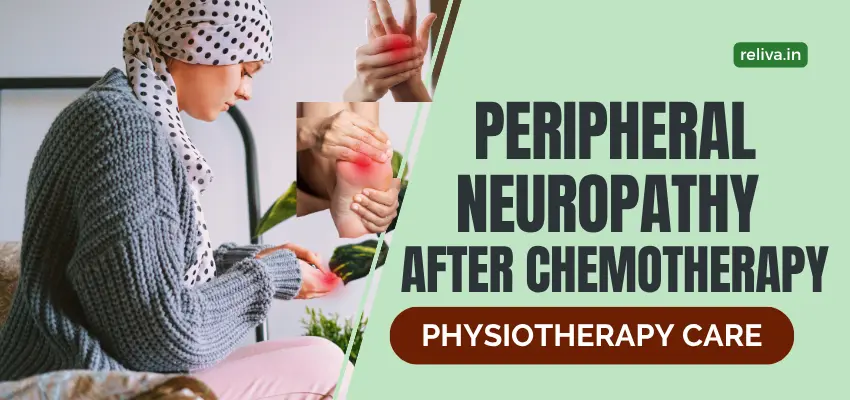
This condition, known as peripheral neuropathy after cancer treatment (or CIPN – Chemotherapy Induced Neuropathy Physiotherapy), can feel frustrating and sometimes even frightening. You might find yourself dropping things more often, feeling unsteady while walking, or struggling with sensations that are hard to describe.
If this sounds familiar, you are not alone. Many patients experience this after chemotherapy. The important thing to understand is that while the symptoms can be persistent, they are manageable. With the right support, especially through physiotherapy for chemotherapy-induced neuropathy, you can gradually regain control,improve balance, coordination, and safe movement in daily life.
What Is Peripheral Neuropathy After Chemotherapy (Quick Answer)
Peripheral neuropathy after chemotherapy is a condition where nerve damage leads to numbness, tingling, pain, or balance problems. Post-cancer Physiotherapy helps improve nerve function, coordination, and stability through structured rehabilitation.
Key Takeaways
- Peripheral neuropathy affects nerves, causing numbness, tingling, and balance issues
- Symptoms often begin in the feet and hands
- Physiotherapy helps improve coordination and stability
- Balance training reduces fall risk
- Early rehabilitation improves recovery outcomes
How Common Is Neuropathy After Chemotherapy?
Peripheral neuropathy is a common side effect of certain chemotherapy drugs and can affect a significant number of patients during or after treatment. Early identification and management are important to reduce long-term impact.
What Is Chemotherapy-Induced Peripheral Neuropathy?
Chemotherapy-induced peripheral neuropathy (CIPN) is a condition where the nerves outside the brain and spinal cord get affected due to cancer treatment. These peripheral nerves are responsible for carrying signals related to touch, movement, and position.
When these nerves are disrupted, communication between the brain and body becomes less efficient, leading to unusual sensations and movement difficulties.
Why Chemotherapy Causes Peripheral Neuropathy?
Certain chemotherapy drugs are designed to destroy rapidly dividing cancer cells. However, they can also unintentionally affect healthy nerve cells.
This happens because:
- Nerve cells are sensitive to chemical changes
- Chemotherapy can interfere with nerve signal transmission
- In some cases, it can damage the protective covering of nerves (myelin sheath)
As a result, the signals that travel through these nerves may become weak, delayed, or distorted. This is why patients experience sensations like tingling, numbness, or even pain “without a clear cause.”
Commonly affected areas (hands, feet)
Neuropathy usually begins in the extremities:
- Toes and feet are often affected first
- Fingers and hands follow
This “glove and stocking” pattern occurs because longer nerves are more vulnerable to damage. Over time, symptoms may move upward if not addressed early.
This is also why activities like walking barefoot, climbing stairs, or holding small objects become more challenging.
Peripheral Neuropathy vs Normal Sensation Changes
| Feature | Neuropathy | Normal Sensation |
| Sensation | Numb / tingling | Normal |
| Balance | Reduced | Stable |
| Coordination | Impaired | Normal |
| Recovery | Needs rehab | Self-resolves |
Symptoms of Peripheral Neuropathy After Cancer Treatment
The symptoms of neuropathy are not always the same for everyone. Some people feel mild discomfort, while others may experience symptoms that interfere with daily life.

Numbness and tingling
One of the earliest and most common symptoms is a tingling sensation—often described as “pins and needles.”
You may notice:
- Reduced ability to feel touch or pressure
- Difficulty sensing temperature (hot/cold)
- A constant “buzzing” or “prickling” feeling
This numbness can be deceptive. Even though you may not feel pain, it increases the risk of unnoticed injuries.
Burning or sharp pain
For some patients, neuropathy presents as pain rather than numbness.
This may include:
- Burning sensations in the feet or hands
- Sudden sharp or shooting pain
- Electric shock-like feelings
This type of pain can fluctuate, some days are manageable, while others feel overwhelming. It can also interfere with sleep and overall well-being.
Balance problems
Your nerves play a crucial role in telling your brain where your body is in space. When this system is affected, balance becomes a challenge.
You may experience:
- Feeling unsteady while standing
- Difficulty walking on uneven surfaces
- A tendency to sway or lose balance
This is why neuropathy is strongly linked to fall risk and why physiotherapy focuses heavily on balance and fall prevention.
Reduced coordination
Coordination requires smooth communication between nerves and muscles. With neuropathy, this communication is disrupted.
As a result:
- You may drop objects more frequently
- Fine motor tasks like buttoning clothes become harder
- Movements feel slower or less precise
Fatigue may also coexist with nerve-related symptoms. Learn more about cancer-related fatigue after chemotherapy.
These changes can feel frustrating, but with the right rehabilitation approach, improvement is possible.
Not sure if your symptoms need attention?
Numbness, tingling, or balance issues after chemotherapy should not be ignored. Early physiotherapy can prevent worsening and improve recovery.
Causes of Neuropathy in Cancer Patients
Understanding why neuropathy occurs helps in managing it more effectively.
- Nerve toxicity from chemotherapy drugs: Some chemotherapy drugs are more likely to affect nerves. These medications can interfere with the structure and function of nerve cells, leading to long-term changes.
- Duration and dosage of treatment: The longer the exposure to chemotherapy and the higher the dose, the greater the risk of developing neuropathy. This is known as a cumulative effect.
- Individual susceptibility: Not all patients experience neuropathy in the same way. Factors that influence this include:
- Age
- Pre-existing conditions like diabetes
- Nutritional status
- Overall health
Some individuals may develop symptoms early, while others may notice them only after treatment ends.
How Physiotherapy Helps Neuropathy Recovery for Cancer Survivors
One of the most reassuring aspects of recovery is that physiotherapy for cancer patients can make a real, visible difference.
Physiotherapy does not just treat symptoms, it works on retraining the nervous system and improving how the body functions despite nerve changes.
Sensory re-education
This is a key part of nerve rehabilitation. The goal is to help your brain “relearn” how to interpret sensory signals.
This may involve:
- Using different textures (soft, rough, smooth)
- Temperature recognition exercises
- Light touch and pressure stimulation
Over time, this improves awareness and reduces abnormal sensations.
Balance and gait training
Since neuropathy after chemotherapy affects stability, physiotherapists focus on improving balance through structured training.
This includes:
- Static and dynamic balance exercises
- Walking pattern correction
- Practice on different surfaces
This is especially important for reducing fall risk and improving confidence in movement.
Strength and coordination exercises
Muscle weakness often develops when nerves are not functioning properly.
Physiotherapy helps by:
- Strengthening key muscle groups
- Improving coordination between movements
- Enhancing reaction time
These exercises are gradual and tailored to your comfort level.
Functional movement training
The ultimate goal of rehabilitation is to make daily life easier.
Physiotherapists focus on:
- Sit-to-stand movements
- Stair climbing
- Safe walking techniques
This approach ensures that improvements translate directly into real-life activities.
Struggling with balance or coordination after chemotherapy?
A structured physiotherapy plan helps retrain your nerves, improve stability, and reduce fall risk. Physiotherapy for peripheral neuropathy after chemotherapy is available at ReLiva centers across major cities in India, including Maharashtra, Karnataka, Kerala, Tamil Nadu, Telangana, and Gujarat.
Start Neuropathy Rehabilitation
Who Should Consider Physiotherapy for Neuropathy?
- Patients with numbness or tingling after chemotherapy
- Those experiencing balance issues or frequent tripping
- Individuals with reduced coordination in hands or feet
- Patients unsure how to walk or move safely
Exercises for Peripheral Neuropathy
Exercise plays a powerful role in recovery. Even small, consistent efforts can lead to noticeable improvements over time.
Foot and ankle mobility
Keeping the lower limbs flexible, helps maintain movement and circulation.
Examples include:
- Ankle circles
- Toe curls and spreads
- Gentle stretching
These exercises reduce stiffness and improve control.
Balance exercises
Balance training is essential for safety and confidence.
Common exercises:
- Standing on one leg (with support if needed)
- Heel-to-toe walking
- Side-to-side weight shifting
These exercises may seem simple but are highly effective when done regularly.
Coordination drills
These exercises help restore precision and control.
They may include:
- Picking up small objects
- Finger tapping patterns
- Step coordination drills
Over time, these improve both hand and foot coordination.
Functional walking practice
Walking is retrained step by step.
This includes:
- Guided walking sessions
- Practicing different walking speeds
- Improving stride and posture
The aim is to make walking safer, smoother, and less tiring.
Safety Tips for Patients with Neuropathy
Living with neuropathy requires a few adjustments to stay safe and prevent complications.
Fall Prevention Strategies
Falls are one of the biggest risks associated with neuropathy.
To reduce this risk:
- Wear well-fitted, supportive footwear
- Avoid slippery or uneven surfaces
- Use support when needed
Physiotherapy further strengthens balance and stability.
Foot care and skin protection
Since sensation is reduced, injuries may go unnoticed.
Important steps:
- Inspect feet daily
- Keep skin clean and moisturised
- Avoid extreme temperatures
This helps prevent infections and complications.
Safe home environment
Your surroundings play a big role in safety.
Simple changes include:
- Removing loose rugs
- Keeping pathways clutter-free
- Ensuring good lighting
These adjustments make daily movement safer and more comfortable.
Recovery Timeline and Expectations
Recovery from peripheral neuropathy is gradual and varies for each individual.
As balance improves, patients gradually resume daily activities safely after cancer.
Some patients notice improvement within a few months, while others may take longer. In some cases, symptoms may not completely disappear but can be managed effectively.
The focus is on improving function, reducing discomfort, and helping you return to your daily routine. With consistent physiotherapy for cancer patients, progress is steady—even if it feels slow at times.
When to Consult a Physiotherapist?
It is important to seek help early rather than waiting for symptoms to worsen.
You should consider consulting a physiotherapist if you notice:
- Persistent tingling or numbness after chemotherapy
- Difficulty walking or maintaining balance
- Weakness in hands or feet
- Frequent tripping or near-falls
Early intervention can prevent complications and support better recovery. This also connects closely with a broader post-cancer physiotherapy approach, where rehabilitation is guided step by step after treatment.
Understanding when to start physiotherapy after cancer treatment can improve recovery outcomes.

FAQs
Can peripheral neuropathy after chemotherapy be reversed?
Ans. In some cases, nerves can recover over time with physiotherapy for nerve damage especially if the damage is mild. However, even when full reversal is not possible, symptoms can still improve significantly. With the guidance of a qualified physiotherapist, the focus is on reducing discomfort, improving balance, and helping you return to daily activities safely.
Is physiotherapy safe after cancer treatment?
Ans. Yes, physiotherapy is safe and highly recommended after cancer treatment when guided by trained professionals. At ReLiva Physiotherapy & Rehab, physiotherapists design personalised programs based on your treatment history, current condition, and energy levels, ensuring safe and gradual recovery.
How often should I do exercises for neuropathy?
Ans. The frequency depends on your individual condition and tolerance. Typically, exercises are done daily in a controlled manner. A physiotherapist at ReLiva Physiotherapy & Rehab will guide you on the right intensity and progression to avoid overexertion while ensuring steady improvement.
Can peripheral neuropathy after chemotherapy be reversed?
Ans. Yes, neuropathy can affect sensation, balance, and coordination, which increases the risk of falls. This is why balance training and safety strategies are an important part of recovery, helping you move more confidently and safely.
When should I start physiotherapy after chemotherapy?
Ans. Physiotherapy can begin as soon as symptoms appear, or even earlier if recommended by your healthcare team. Early intervention leads to better outcomes. At ReLiva Physiotherapy & Rehab, physiotherapists assess your condition and start a tailored rehabilitation plan at the right time for you.
Can neuropathy after chemotherapy improve?
Ans. Yes. Nerve function may improve over time, especially with physiotherapy. Rehabilitation helps reduce symptoms, improve balance, and restore movement safely.
Summary
Peripheral neuropathy after chemotherapy affects nerve function, leading to numbness, pain, and balance problems. Physiotherapy helps retrain coordination, improve stability, and support safe movement through structured rehabilitation.
Regain Stability and Confidence in Movement
Peripheral neuropathy can affect how you walk, move, and function daily. With guided physiotherapy, you can improve balance, coordination, and safety step by step.
………
This post has been reviewed by physiotherapist Aryasree. Dr. Aryasree (PT) is a physiotherapist at ReLiva Kozhikode with specialized expertise in cancer rehabilitation. Certified in lymphedema therapy, she focuses on post-operative recovery, pelvic floor therapy, lymphedema management, and survivorship care. Through evidence-based interventions, she enhances functional outcomes and quality of life, contributing to multidisciplinary oncology teams with patient-centered rehabilitation strategies that empower individuals to recover safely and live with confidence.
…………

