


Medically reviewed by Dr. Priyal Parekh (PT) – Updated May, 2026.
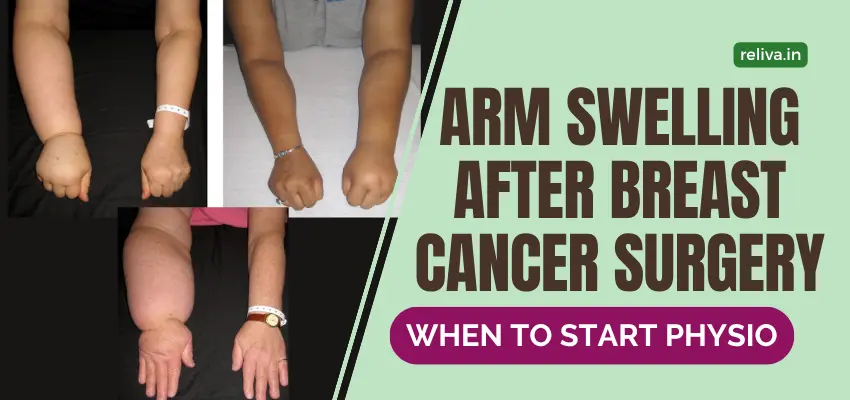
Breast cancer surgery is an important step in treating the disease, but recovery continues long after the procedure. Many women notice changes in the arm on the operated side, including heaviness, tightness, or visible swelling. Arm swelling after breast cancer surgery is usually related to Lymphedema.
Lymphedema occurs when the lymphatic system cannot properly drain lymph fluid, leading to its accumulation in tissues—most commonly in the arm or leg. If you notice signs like heaviness or slight swelling in the arm, and starting physiotherapy immediately after breast cancer surgery can really make recovery easier and prevent future issues.
To start physiotherapy after mastectomy is vital to prevent long-term swelling and maintain arm function.
The lymphatic system is a network of tiny vessels and lymph nodes that helps maintain fluid balance and supports immunity. During a mastectomy, lymph nodes may be removed, which can affect how fluid drains from the arm—this is why some people may develop swelling, known as lymphedema. While mild swelling may occur temporarily after surgery, persistent or progressive swelling requires attention.
Early physiotherapy intervention helps improve lymphatic flow, restore arm mobility, and prevent complications. Understanding the causes of swelling, the signs that require professional care, and the right time to begin physiotherapy helps patients take proactive steps toward safe and effective recovery.
A structured rehabilitation plan after surgery is explained in our guide on physiotherapy after breast cancer surgery.
Here’s a quick outline to help you explore this guide:
- Causes of Arm Swelling
- Signs That Swelling Needs Physiotherapy
- When to Start Physiotherapy After Mastectomy
- How Physiotherapy Helps Control Swelling
- Risks of Delaying Treatment
- When to Consult a Physiotherapist
- FAQs
Why Does Arm Swelling Happen After Breast Cancer Surgery?
Arm swelling after breast surgery can occur for several reasons. In most cases, it is linked to changes in the lymphatic system and soft tissues affected during treatment.

Lymph Node Removal and Fluid Buildup
Around one in four women with breast cancer undergo an armpit, or axillary, lymph node removal surgery, reports a multicentre study led from Finland [1]. During many breast cancer surgeries, surgeons remove lymph nodes from the underarm area to check whether cancer has spread. This procedure, known as axillary lymph node dissection or sentinel node biopsy, can temporarily disrupt normal lymph flow.
Lymph fluid normally travels through lymph vessels and nodes before returning to the bloodstream. When nodes are removed, the drainage pathways may become slower or partially blocked. As a result, lymph fluid may accumulate in the surrounding tissues, causing swelling in the arm or hand.
Surgery and Radiation Effects
Breast surgery itself causes inflammation and tissue trauma as part of the healing process. This can temporarily affect circulation and fluid balance in the surrounding areas. The skin and soft tissues may progressively lose their flexibility and become tight. If radiation therapy is also part of treatment, the skin and soft tissues may become tighter over time.
Radiation can cause fibrosis, a gradual thickening and tightening of tissues. This may further restrict lymphatic flow and contribute to swelling months after surgery.
Early Swelling vs Lymphedema
Not all swelling after surgery is permanent. Some women experience temporary post-surgical swelling, which improves gradually as healing progresses.
However, swelling that persists or worsens over time may indicate lymphedema, a condition where lymph fluid accumulates due to impaired drainage. Early recognition is important because timely physiotherapy can prevent progression and help manage symptoms effectively.
Learn more about exercises for post-mastectomy lymphedema.
Signs That Swelling Needs Physiotherapy
Mild swelling may settle naturally during the initial recovery phase. However, certain signs indicate that professional physiotherapy support may be needed.
-
Persistent Heaviness or Tightness
Many women describe a feeling of heaviness in the arm even before visible swelling appears. The arm may feel tight, uncomfortable, or fatigued during simple activities such as lifting objects or carrying bags.
This sensation often indicates early lymphatic congestion and should not be ignored.
-
Visible Arm Size Difference
Another clear sign is a noticeable difference in size between the two arms. The affected arm may appear slightly larger, especially around the forearm, elbow, or hand.
Sometimes the swelling fluctuates during the day and may become more noticeable after prolonged activity.
-
Reduced Arm Movement
Swelling can also restrict normal shoulder and arm movement. Women may find it difficult to lift the arm fully, stretch overhead, or rotate the shoulder comfortably.
When swelling begins to interfere with mobility, physiotherapy can help restore both fluid circulation and joint movement.
Delayed initiation of exercises can result in Shoulder stiffness after mastectomy

When to Start Physiotherapy for Arm Swelling After Breast Surgery?
After breast cancer surgery immediate exercises are started giving more focus on shoulder mobility and guidance on prevention of lymphedema strategies.
*Surgeon’s consent is required before starting exercises in specific surgeries like LD flap or TRAM flap – specific types of breast reconstruction surgeries.
In an LD (Latissimus Dorsi) flap, muscle and tissue from the back are used to reconstruct the breast. In a TRAM (Transverse Rectus Abdominis Myocutaneous) flap, tissue from the lower abdomen is used. Since these procedures involve muscle transfer, recovery and exercise need to be carefully guided.”
Immediate Post-Surgery Phase
In the first few days after surgery, the focus is mainly on healing and protecting the surgical site. Physiotherapists may introduce gentle breathing exercises and simple hand, wrist, and elbow movements to promote circulation.
These small movements encourage lymphatic flow without stressing the healing tissues. Patients are also guided on arm positioning and precautions to reduce swelling risk.
Early Recovery Phase
Many women notice that early physiotherapy helps reduce swelling, restore arm movement, and prevent long-term stiffness. Starting breast surgery rehabilitation at the right time allows the body to heal while maintaining normal circulation and mobility.
Mrs. Shilpa K. from Poolacode, developed severe shoulder pain after mastectomy which was later diagnosed as post-surgical shoulder impingement. She could barely lift her arm, and even simple daily activities like combing her hair or getting dressed were extremely painful. Once she began physiotherapy sessions at Reliva Physiotherapy & Rehab with Dr. Sreeram, her pain gradually reduced and her shoulder movement improved significantly. Over time, she regained full arm mobility and was able to return to her normal daily activities comfortably.
This experience highlights how early physiotherapy intervention after breast surgery can restore arm movement, reduce pain, and prevent long-term complications during the recovery phase.
Delayed Swelling (Months Later)
In some cases, swelling may develop several months after surgery, or even after many years of surgery. It may start especially during radiation therapy or with increased physical activity.
This delayed swelling should not be ignored. Even when symptoms appear later, physiotherapy can effectively manage fluid accumulation and restore normal arm function.
A physiotherapist evaluates swelling patterns, range of motion, and tissue health before designing a personalised treatment plan.
Not Sure If Your Arm Swelling Needs Treatment?
How Physiotherapy Helps Control Arm Swelling?
Physiotherapy plays an important role in managing arm swelling after breast cancer treatment. Gentle manual lymphatic drainage techniques help improve lymphatic circulation, reduce fluid buildup, and restore comfortable arm movement.
Lymphatic Drainage
Manual lymphatic drainage is a specialised physiotherapy technique that uses light, rhythmic movements to stimulate lymph flow. The therapist gently guides lymph fluid toward healthy drainage pathways. This can help reduce swelling, ease heaviness in the arm, and improve overall comfort.
Gentle Movement Exercises
Controlled arm and shoulder movements support natural lymph circulation. When muscles move, they help push lymph fluid through the vessels. Physiotherapists introduce gentle exercises that gradually improve mobility, flexibility, and strength without putting strain on healing tissues.
Positioning and Elevation
Proper arm positioning can help fluid move away from the swollen area. Keeping the arm slightly elevated while resting may assist lymph drainage. Physiotherapists also guide patients on comfortable sleeping positions and daily posture habits that support better circulation.
Compression Guidance
In some cases, compression garments may be recommended to help control swelling by applying mild pressure to the arm. Physiotherapists guide patients on correct usage and fitting. Pneumatic compression may also be suggested as part of a supervised rehabilitation plan when appropriate.
Important Precautions if You Notice Arm Swelling
- Do not ignore early swelling
Heaviness, tightness, or mild swelling in the arm should be assessed early to prevent progression. - Avoid excessive strain on the affected arm
Heavy lifting or repetitive movements may increase swelling during the early stages. - Keep the arm elevated when possible
Gentle elevation can help support fluid movement and reduce discomfort. - Protect the arm from injury
Cuts, burns, or insect bites may increase the risk of swelling or infection. - Seek timely physiotherapy guidance
Starting physiotherapy at the right time helps control swelling and prevents long-term complications such as lymphedema.
If swelling persists, learn how structured treatment helps in our guide on post-mastectomy lymphedema exercises.
Risks of Delaying Treatment for Arm Swelling After Breast Surgery
Ignoring arm swelling after breast surgery can lead to long-term complications. If swelling is left untreated, lymph fluid can continue to build up in the tissues, leading to skin fibrosis.
Over time, this may cause persistent lymphedema, where swelling becomes chronic and more difficult to manage. The skin may become thicker, tighter, or more prone to infections.
Medical researches confirm that arm swelling (lymphedema) affects 20%–56% of breast cancer patients, with studies in India [2] indicating a 6-month incidence of 26.25%, rising over time due to lymph node removal, axillary radiation, and high BMI. Early, intensive rehabilitation is crucial, as chronic, untreated swelling can lead to permanent tissue fibrosis.
Delayed treatment can also lead to stiffness in the shoulder and elbow joints. Reduced arm mobility may affect everyday activities such as dressing, lifting objects, or carrying bags.
Early physiotherapy helps prevent these complications by restoring circulation and movement before swelling progresses.
When to Consult a Physiotherapist?
Women recovering from breast cancer surgery should consult a physiotherapist if they notice:
- Persistent heaviness in the arm
- Visible swelling in the arm, hand, or underarm
- Tightness or discomfort during arm movement
- Reduced shoulder mobility
- Swelling that increases after physical activity
A physiotherapist trained in post-breast cancer rehabilitation can assess the condition and provide early management strategies.
Centres such as Reliva Physiotherapy & Rehab offer specialised rehabilitation programs designed to support recovery after breast cancer surgery. These programs focus on restoring mobility, improving lymphatic flow, and helping patients regain confidence in daily activities.
👉 Find a ReLiva Centre Near You or simply ask for call back and our team will help you find a center near you.

FAQs
Q1. Is arm swelling normal after breast cancer surgery?
Yes, mild swelling can occur after surgery due to inflammation and temporary disruption of lymphatic drainage. In many cases, it settles gradually as healing progresses. However, swelling that persists, worsens, or causes heaviness in the arm should be evaluated early to prevent complications such as lymphedema.
Q2. When should physiotherapy start after mastectomy if swelling appears?
Physiotherapy can begin once the surgeon clears gentle movement after surgery, often within the first one to two weeks. If swelling develops later, physiotherapy should start as soon as symptoms appear. Early intervention improves lymphatic circulation and prevents long-term swelling.
Q3. Can arm swelling develop months after breast surgery?
Yes, swelling may sometimes appear months after surgery, especially during radiation therapy or after increased physical activity. This delayed swelling can still be managed effectively with physiotherapy techniques such as lymphatic drainage, exercises, and compression guidance.
Q4. Will exercises alone reduce arm swelling?
Exercises play an important role in stimulating lymphatic flow, but they are usually part of a broader treatment approach. Physiotherapists may combine movement exercises with lymphatic drainage techniques, posture correction, and compression support for better results.
Q5. How can physiotherapy help prevent long-term lymphedema?
Physiotherapy helps improve lymphatic circulation, maintain arm mobility, and teach patients safe movement strategies. Rehabilitation programs at centres like Reliva Physiotherapy & Rehab focus on early detection and structured treatment, which significantly reduces the risk of Lymphedema after breast cancer surgery.
Don’t Wait for Swelling to Get Worse
If you notice heaviness, tightness, or swelling in your arm, early intervention can make a big difference. Starting physiotherapy at the right time helps prevent long-term stiffness and chronic swelling.
____________________
This guide has been reviewed by Dr Priyal Parekh (PT). Onco physiotherapist Dr. Priyal is a super‑specialist in Cancer Rehab Physiotherapy and a board‑certified lymphedema therapist based in Vadodara, dedicated to cancer rehabilitation and survivorship care. With BPTh and MPTh (MSK) qualifications, she provides advanced physiotherapy for patients recovering from cancer treatments, focusing on lymphedema management, pelvic floor therapy, and musculoskeletal recovery. Skilled in cupping, dry needling, K‑Taping, Maitland, Mulligan’s, McKenzie, manual therapy, neurodynamics, gait training, and myofascial release, she offers comprehensive, evidence‑based rehabilitation. Her expertise makes her a trusted choice for onco physiotherapy in Vadodara.
Scholarly References:
[1] Lymph node transfer reduces arm swelling after breast cancer surgery; Journal: Plastic & Reconstructive Surgery; Source: University of Turku; 19 Mar 2025;
[2] Khan, M., Huda, F., Rao, S. et al. Predictors of early arm lymphoedema in breast cancer patients treated with modified radical mastectomy -a prospective observational study. BMC Surg 25, 525 (2025). https://doi.org/10.1186/s12893-025-03255-3

