


Medically reviewed by Dr. Aryasree KT (PT) – Updated June, 2026.
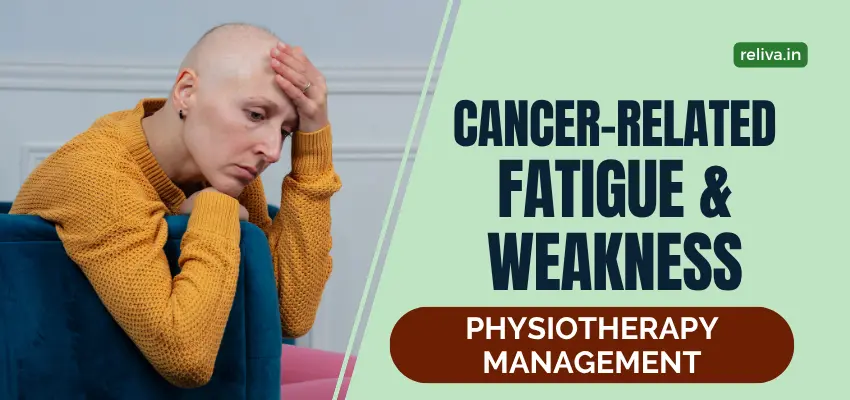
If you or someone you love has been through cancer treatment, you already know that fatigue is so much more than just feeling tired. It’s waking up exhausted after a full night’s sleep. It’s losing the energy to do things you once did without a second thought. It’s sitting down to rest and still feeling like your body has nothing left to give. It’s a kind of tiredness that no amount of sleep seems to fix and that can quietly take over your everyday life.
You’re not imagining it. You’re not being dramatic. And you are not alone.
Cancer-related fatigue is one of the most common and least talked about effects of cancer and its treatment. Yet for many people going through it, it can feel isolating, especially when the world around them expects that once treatment is over, things should start feeling better. The truth is, recovery is rarely that straightforward. And understanding what’s happening in your body is the first step toward feeling like yourself again.
This is where cancer-related fatigue physiotherapy becomes important—not just as a treatment, but as a guided way to improve stamina, rebuild endurance, and help you gradually regain physical capacity after cancer treatment.
Key Takeaways
- Cancer-related fatigue is different from normal tiredness and may persist after treatment
- Physiotherapy helps improve energy, endurance, and functional capacity
- Gradual exercise is more effective than complete rest
- Early rehabilitation prevents long-term deconditioning
- Structured programs improve recovery outcomes
What Is Cancer-Related Fatigue? (Overview)
Cancer-related fatigue is a persistent physical, emotional, and mental exhaustion that is directly linked to cancer or its treatment. It’s not the kind of tiredness that follows a demanding week or a poor night’s sleep. It’s deeper, more pervasive, and far more resistant to rest. It can affect your body, your mind, and your mood, often all at once and it doesn’t follow the usual rules of recovery. Cancer-related fatigue affects physical activity, concentration, emotional well-being, and quality of life. Physiotherapy plays an important role in managing fatigue by improving stamina, muscle strength, and energy efficiency through structured rehabilitation.

How It Differs From Normal Tiredness
Everyday tiredness has a cause and a cure. A long day, a missed meal, a late night and a good sleep usually sets things right. Cancer-related fatigue doesn’t work that way. You can rest for an entire day and still wake up feeling like you haven’t slept at all. You can take it easy for a week and still feel too drained to hold a conversation or make a simple meal.
What makes it harder is the guilt that often comes with it. Many people feel like they should be doing more, recovering faster, getting back to normal. But cancer-related fatigue isn’t a lack of willpower or a mental block. It is a physiological response to what the body has been through and it deserves proper care and proper treatment.
Cancer-Related Fatigue vs Normal Tiredness
| Feature | Cancer Fatigue | Normal Tiredness |
| Improves with rest | No | Yes |
| Duration | Persistent | Temporary |
| Impact | Severe | Mild |
| Treatment | Physiotherapy | Rest |
How Common Is Cancer-Related Fatigue?
Cancer-related fatigue is one of the most common side effects of cancer and its treatment. Research suggests that between 50% and 70% of cancer patients experience fatigue during or after treatment, making it one of the most frequently reported symptoms among cancer survivors.
Importantly, fatigue does not always end when treatment finishes. Many patients continue to experience reduced energy levels, poor endurance, and difficulty performing daily activities for months or even years after completing therapy.
Indian studies have reported an even higher burden. Research conducted among patients undergoing active cancer treatment found that more than three-quarters experienced moderate to severe fatigue. Patients receiving chemotherapy or chemoradiotherapy reported higher fatigue levels than those undergoing surgery or radiotherapy alone. Older adults, women, individuals with advanced-stage cancer, and those receiving chemotherapy were found to be at greater risk of severe fatigue.
These findings highlight why cancer-related fatigue should be recognised as a significant oncological rehabilitation concern rather than simply an expected side effect of treatment.
Scholarly References listed below [1]. [2]. [3]. [4]
Clinical Insight
Cancer-related fatigue is recognised by international cancer rehabilitation guidelines as a real medical condition that can affect physical function, emotional well-being, and quality of life. Unlike normal tiredness, it often requires active rehabilitation rather than additional rest alone.
Rehabilitation for cancer fatigue helps patients rebuild energy safely and improve endurance after treatment. Cancer recovery often requires structured rehabilitation. Learn more about post-cancer physiotherapy and recovery support.
Understanding why cancer-related fatigue occurs is the first step toward managing it effectively.
Why Fatigue Persists After Treatment
This is one of the most common questions people have, and it’s completely valid. Treatment is over, so why does the exhaustion remain?
The answer lies in what cancer treatment actually does to the body. Chemotherapy and radiation are powerful interventions that fight cancer while also affecting the body’s normal functioning, including energy production, tissue repair, and cellular recovery. Even after the last session, the body continues healing at a deep level. That process takes significant time and energy.
On top of that, reduced movement during treatment leads to muscle loss and deconditioning. When muscles weaken, the body has to work harder to perform even basic tasks. More effort for the same activity means more fatigue. Sleep patterns get disrupted. Appetite changes. Nutritional deficiencies develop. All of this keeps fatigue going long after treatment has ended.
This is where rehabilitation for cancer fatigue and cancer related fatigue physiotherapy play a vital role, helping the body rebuild strength, improve endurance, and restore energy levels safely and effectively.
Many patients are unsure when to begin rehabilitation. Understanding when to start physiotherapy after cancer treatment can help improve recovery outcomes.
Impact on Daily Life
Cancer-related fatigue doesn’t stay confined to the physical. It reaches into every corner of daily life, making personal care difficult, household tasks feel overwhelming, and social interaction exhausting. Simple things like preparing a meal, taking a shower, or spending time with family can feel like enormous efforts.
Over time, many people start avoiding activity altogether because the anticipation of exhaustion feels too much to face. This withdrawal, while completely understandable, deepens the fatigue further. Relationships can feel strained. Independence can feel like it’s slipping. And the emotional weight of all of this adds another layer to the exhaustion that is already present.
Recognising this impact honestly, without minimising it, is essential to getting the right kind of support.
Fatigue often delays routine tasks. A structured plan helps patients return to daily activities after breast cancer safely and gradually.
Struggling with constant fatigue after cancer treatment?
Guided physiotherapy can help you rebuild energy and regain control over your daily routine.
👉 Talk to a Physiotherapist
Why Does Fatigue Persist During/After Cancer Treatment?
Understanding what is driving fatigue helps in building a treatment plan that works. Cancer-related fatigue rarely has a single cause. It is usually the result of several factors working together.
Chemotherapy and Radiation Effects
Both chemotherapy and radiation affect the body’s ability to function normally. They impact energy production at a cellular level, disrupt tissue repair, and place enormous physiological demand on the body. Even as cancer is being treated, the body is simultaneously dealing with the side effects of that treatment and that double burden is exhausting. Fatigue after chemotherapy is among the most consistently reported experiences by patients, often beginning during treatment and continuing well beyond it.
Muscle Loss and Deconditioning
When the body is unwell and activity levels drop, muscles begin to weaken relatively quickly. This process, known as deconditioning, means that the muscular system becomes less efficient at performing everyday tasks. As a result, once effortless activities begin requiring noticeably more effort. This increased exertion uses up energy faster, making fatigue more pronounced and more constant. Deconditioning can set in within weeks of reduced activity, which is why early physiotherapy support is so valuable.
Sleep Disturbances and Nutrition
Quality sleep is one of the body’s primary recovery mechanisms and cancer treatment frequently disrupts it. Pain, discomfort, anxiety, medication side effects, and changes in routine can all interfere with sleep patterns. Poor sleep means the body doesn’t get the restoration it needs, which directly worsens fatigue the following day and over time.
Nutrition plays an equally important role. Appetite changes during treatment are common, and nutritional deficiencies, particularly in iron, vitamin D, and protein, can significantly reduce energy levels. Without adequate fuel, the body simply cannot function at its best.
Emotional and Psychological Factors
The emotional experience of going through cancer is profound. Anxiety about the future, grief over changes in the body, the stress of treatment, and the psychological weight of a serious diagnosis all take a toll that is very real and very physical. Emotional exhaustion and physical fatigue feed into each other, when you are mentally drained, physical fatigue feels more intense, and when the body is exhausted, managing emotions becomes harder.
Depression is also common among cancer patients and survivors, and it is closely linked to fatigue. Addressing the psychological dimension of fatigue is not separate from the physical recovery; it is an integral part of it.
Some patients may also experience nerve-related symptoms (peripheral neuropathy after chemotherapy) such as tingling or numbness after chemotherapy.
Symptoms of Cancer-Related Fatigue
Recognising the symptoms early can help you seek support sooner and prevent fatigue from becoming more entrenched. While experiences vary, these are the most commonly reported signs.
Persistent Tiredness Despite Rest
A constant, underlying sense of low energy that does not lift even after sleeping or resting. You may feel like your battery never fully charges, always running somewhere below the level you need to feel like yourself. This is perhaps the most defining feature of cancer-related fatigue and the one that most clearly sets it apart from ordinary tiredness.
Reduced Physical Endurance
Activities that once felt easy, walking to a nearby shop, climbing a flight of stairs, standing in the kitchen while cooking, now feel like they require significant effort. You may notice that you need to stop and rest during tasks you previously completed without a second thought. Physical endurance reduces when muscles are deconditioned and the cardiovascular system is less efficient, both of which are common after cancer treatment.
Difficulty Concentrating
Mental fatigue is just as real as physical fatigue, and it shows up in ways that can be frustrating and disorienting. You may find it harder to focus on a conversation, follow a story, remember where you put something, or complete a task that requires sustained attention. This cognitive aspect of cancer-related fatigue is sometimes called “chemo brain” and is widely recognised among oncology professionals.
Low Motivation for Activity
A noticeable drop in the desire to move, engage with people, or participate in daily routines. Things that once brought pleasure or felt manageable may now feel like too much to attempt. This is not a personality change or a weakness; it is the body’s natural response to sustained exhaustion, and it is a signal that rest and structured recovery are both needed.
How Physiotherapy Helps Manage Cancer Fatigue
Physiotherapy for cancer patients is one of the most effective and evidence-supported approaches to managing cancer-related fatigue. It works because it addresses the root causes, not just the symptoms. A qualified physiotherapist understands the complex, layered nature of fatigue after cancer treatment and builds a programme that is safe, gradual, and tailored to where you are right now.
The goal is never to push harder. It is to rebuild carefully, consistently, and with full respect for what the body has been through, this is the essence of rehabilitation for cancer fatigue. Through structured cancer-related fatigue physiotherapy, patients gradually regain energy, improve endurance, and restore confidence in their physical abilities.
Energy Conservation Strategies
Before introducing any exercise, a physiotherapist will often work with you on how to use the energy you already have more wisely. Energy conservation isn’t about doing less for the sake of it, it’s about being strategic. This means learning to pace yourself through the day, spacing out tasks so that no single period becomes too draining, planning important activities during your highest-energy windows, and taking intentional rest breaks before you hit a wall rather than after.
These strategies give you more control over how your day feels and help prevent the sudden crashes that leave people feeling set back.
Graded Exercise Therapy
Graded exercise therapy is the cornerstone of physiotherapy for cancer-related fatigue. It involves introducing physical activity in a slow, structured, progressive way, starting with what your body can comfortably manage and building from there. The idea is not to reach a fitness milestone. It is to help the body gradually rebuild its tolerance for activity without triggering exhaustion or setback.
Sessions may begin with just a few minutes of gentle movement. Over weeks and months, as the body adapts, the programme evolves. Every step of progression is guided by how you feel, never by an arbitrary timeline.
Aerobic Conditioning
Gentle aerobic exercise is particularly beneficial for cancer-related fatigue because it improves cardiovascular efficiency and oxygen circulation. When the heart and lungs work more effectively, the body uses energy more efficiently, which means less fatigue for the same level of activity. Walking, gentle cycling, and light rhythmic movement are common starting points. Even modest, consistent aerobic activity makes a meaningful difference over time.
Strength Training for Endurance
Rebuilding muscle strength is a central part of fatigue recovery. When muscles are stronger and more efficient, everyday tasks simply require less effort and that means more energy available for the things that matter to you. Strength training in this context is gentle and progressive, focused on functional endurance rather than performance. It works alongside aerobic conditioning to create a body that can sustain activity without running out of energy so quickly.
Breathing and Relaxation Techniques
Physical tension and mental stress both actively contribute to fatigue, and both can be addressed through physiotherapy. Breathing exercises help regulate the nervous system, reduce tension in the body, and support better oxygenation. Relaxation techniques ease the mental load that compounds physical exhaustion. These are skills that can be practised independently at home and become valuable tools in day-to-day energy management long after formal physiotherapy sessions have ended.
Along with fatigue management, physiotherapy after cancer recovery also focuses on rebuilding strength and mobility after treatment.
Physiotherapy for cancer-related fatigue is available at ReLiva Physiotherapy & rehab across major cities in India including Maharashtra, Karnataka, Kerala, Tamil Nadu, Telangana, and Gujarat.
Not sure how to start exercising safely with fatigue?
A structured physiotherapy plan ensures you rebuild energy without overexertion or setbacks.
👉 Start a Fatigue Rehab Program
Exercise Guidelines for Cancer Fatigue Recovery
Exercise is one of the most powerful tools for recovering from cancer-related fatigue, but it needs to be approached correctly. The right kind of exercise, at the right intensity and frequency, can significantly improve energy levels. The wrong approach can set recovery back. Here is what to keep in mind.
Starting Slow and Progressing Gradually
The single most important principle in exercising with cancer-related fatigue is to start well within your current capacity. Begin with short sessions, even five to ten minutes of gentle movement counts. The body needs time to adapt, and beginning conservatively gives it that opportunity without the risk of overexertion.
Progression should always be gradual and guided by how you feel over several days, not just in the moment. A good rule of thumb is to increase duration or intensity by no more than ten per cent per week, and only when the current level feels consistently manageable.
Safe Intensity Levels
Moderate intensity is ideal for most people managing cancer-related fatigue. This means you should feel active and engaged during exercise, but not breathless, strained, or exhausted. A simple way to gauge this is whether you can hold a conversation while exercising. If you can speak comfortably, the intensity is likely appropriate. If you’re too breathless to talk, ease back.
Avoid the temptation to do more on days when you’re feeling better than usual. Overdoing it on a good day often leads to a crash the following day, which disrupts the consistency that recovery depends on.
Frequency and Duration
Regular, consistent activity is far more beneficial than occasional intense sessions. Aim for shorter sessions spread across most days of the week rather than long workouts a couple of times a week. Even ten to twenty minutes of gentle movement daily can build meaningful endurance over time. Consistency is the key variable, not duration or intensity.
As energy improves, sessions can gradually lengthen, and frequency can increase. But this progression should always feel sustainable rather than like a push.
Warning Signs to Stop
It is important to know when to pause and rest. Stop exercising and seek guidance if you experience unusual dizziness or light-headedness, chest pain or tightness, difficulty breathing beyond what is typical for the activity, heart palpitations, sudden extreme weakness, or sharp pain anywhere in the body.
Fatigue that is significantly worse the day after exercise is also a sign that the intensity or duration needs to be reduced. Listen to your body, it is giving you information, and that information matters.
Benefits of Physiotherapy for Fatigue Recovery
With consistent, structured physiotherapy, the improvements people experience goes well beyond just feeling less tired. Recovery touches multiple areas of life, physical, mental, and emotional.
Gradual and sustained improvement in overall energy levels through the day. Better stamina that allows you to engage with daily life for longer without needing to rest. Reduced sense of constant, background exhaustion that has become the new normal. Improved mental clarity, focus, and the ability to engage in conversations and tasks that require concentration. Better quality sleep as the body becomes more active and regulated. Increased confidence in your physical capacity and your ability to manage daily responsibilities independently.
Perhaps most importantly, physiotherapy gives people a sense of agency in their own recovery. Rather than feeling at the mercy of fatigue, they have tools, a plan, and a professional guiding them forward. That shift in perspective, from passive waiting to active rebuilding, is often as transformative as the physical improvements themselves.
How Physiotherapy Helps Fatigue Recovery
- Assess energy levels and physical capacity
- Introduce graded activity to rebuild endurance
- Progress strength and stamina safely over time
Who Should Consider Physiotherapy for Cancer Fatigue?
- Patients with fatigue lasting more than a few weeks after treatment
- Those struggling with daily activities due to low energy
- Individuals experiencing reduced stamina or endurance
- Patients unsure how to restart physical activity safely
When to Seek Physiotherapy?
Many people wait longer than necessary before seeking physiotherapy support, either because they assume fatigue will resolve on its own or because they aren’t sure whether their symptoms warrant professional help. In most cases, earlier support leads to better outcomes.
Consider reaching out if fatigue continues to significantly affect your life long after treatment has ended. If even minimal activity, walking a short distance, or doing a simple household task leaves you exhausted, that is a clear signal that structured rehabilitation is needed. If managing your daily routine independently feels difficult, or if you are unsure how to safely reintroduce physical activity without making things worse, a physiotherapist can provide both the guidance and the confidence to move forward.
Early physiotherapy support prevents long-term deconditioning, breaks the cycle of inactivity and fatigue, and gives recovery real, lasting momentum. You don’t need to wait until things get worse. Getting support early is always the better choice.

FAQs
Q. Is cancer-related fatigue normal after chemotherapy?
Ans. Yes, fatigue is one of the most common effects of chemotherapy and may continue even after treatment has ended. It is far more intense than everyday tiredness and often requires structured physiotherapy to gradually restore energy and endurance. If you are experiencing this, know that it is a recognised medical condition, not something you simply need to push through on your own.
Q. Can physiotherapy for cancer patients really help with fatigue after chemotherapy ?
Ans. Physiotherapy improves energy levels by using graded exercise, strength training, and pacing strategies. It helps reduce fatigue, increase endurance, and restore daily function.
Q. Should I rest more or exercise when I am feeling fatigued after cancer treatment?
Ans. Both rest and movement are important — but balance is the key. Excessive rest over a prolonged period can worsen fatigue by further weakening muscles and reducing endurance. At the same time, overexertion drains the body quickly and can set recovery back. A structured physiotherapy plan helps you find the right balance — enough activity to rebuild tolerance, and enough rest to allow genuine recovery between sessions.
Q. How soon can I start physiotherapy after cancer treatment?
Ans. In many cases, physiotherapy can begin soon after treatment ends, depending on your overall condition and medical clearance. At ReLiva Physiotherapy and Rehab, your therapist will assess your energy levels, physical capacity, and recovery stage before designing a plan that is safe and appropriate for exactly where you are right now. You don’t need to wait until you feel ready, starting early is usually the better approach.
Q. What type of exercises are best for cancer-related fatigue?
Ans. Low-impact aerobic exercises, gentle strengthening movements, and breathing exercises are the most effective starting points. These help improve circulation, rebuild muscle efficiency, and support overall endurance without placing excessive strain on the body. All exercise is introduced gradually and continuously adjusted based on how your body is responding.
Q. How long does it take to recover from cancer-related fatigue?
Ans. Recovery is different for every individual and depends on several factors, including the type and duration of treatment, overall health, and consistency with rehabilitation. With regular physiotherapy, adequate rest, and gradual activity progression, most people notice meaningful improvement in energy and stamina over a period of several weeks to a few months. Progress may not always feel linear, but with the right support, it does happen.
Summary
Cancer-related fatigue is a common but manageable condition after cancer treatment. Physiotherapy helps improve energy, rebuild endurance, and support safe recovery through structured, gradual rehabilitation.
Regain Your Energy, Step by Step
Cancer-related fatigue doesn’t improve by waiting alone. With the right physiotherapy guidance, you can rebuild stamina, improve endurance, and return to your daily life with confidence.
………..
This post has been reviewed by physiotherapist Aryasree. Dr. Aryasree (PT) is a physiotherapist at ReLiva Kozhikode with specialized expertise in cancer rehabilitation. Certified in lymphedema therapy, she focuses on post-operative recovery, pelvic floor therapy, lymphedema management, and survivorship care. Through evidence-based interventions, she enhances functional outcomes and quality of life, contributing to multidisciplinary oncology teams with patient-centered rehabilitation strategies that empower individuals to recover safely and live with confidence.
Scholarly References:
[1] Ma Y, He B, Jiang M, Yang Y, Wang C, Huang C, Han L. Prevalence and risk factors of cancer-related fatigue: A systematic review and meta-analysis. Int J Nurs Stud. 2020 Nov;111:103707. doi: 10.1016/j.ijnurstu.2020.103707. Epub 2020 Jul 11. PMID: 32920423.
[2] Narayanan V, Koshy C. Fatigue in cancer: a review of literature. Indian J Palliat Care. 2009 Jan;15(1):19-25. doi: 10.4103/0973-1075.53507. PMID: 20606851; PMCID: PMC2886215.
[3] Kang YE, Yoon JH, Park NH, et al. Prevalence of cancer-related fatigue based on severity: a systematic review and meta-analysis. Scientific Reports. 2023;13:12815.
[4] Basu A, Malhotra A, Roy SG. A study on the prevalence and predictors of Cancer-Related Fatigue in cancer patients receiving treatment. Research Square. 2025. doi: 10.21203/rs.3.rs-7186433/v1
……………..

