

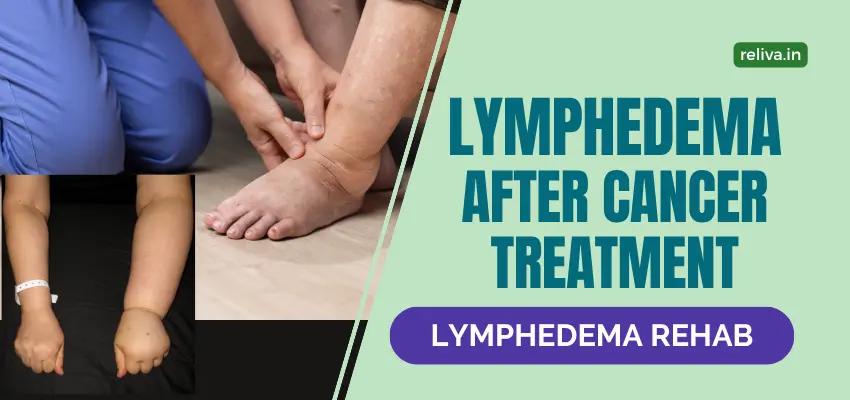

Lymphedema is a condition that many individuals experience after cancer treatment, but it often develops gradually and may not be recognised in the early stages. What starts as a mild feeling of heaviness or slight swelling can slowly progress, affecting movement, comfort, and daily activities. In many cases, these early signs are overlooked or mistaken for temporary changes, which can delay timely care.
In India, cancer‑related lymphedema (CRL)—particularly following breast cancer treatment—has a reported incidence ranging from 2% to 40%. Studies [1][2] highlight that among post‑mastectomy patients, the incidence can be as high as 13%–41.1%, often linked to axillary dissection, nodal positivity, and radiation. Unfortunately, many patients present at later stages, which complicates management and underscores the importance of early detection.
Lymphedema after cancer treatment can affect mobility, comfort, and daily activities if not identified early. That’s why in clinical practice, one of the most important aspects of managing lymphedema is early identification and structured guidance. Cancer-related lymphedema physiotherapy plays a central role, not just in reducing swelling, but in helping individuals understand their condition, regain mobility, and maintain long-term control. Addressing lymphedema early also reduces the risk of complications such as stiffness, skin changes, or reduced functional ability over time
It is equally important to understand that lymphedema management is not a one-time treatment but an ongoing process. With the right approach, individuals can continue their daily routines, return to physical activity, and maintain a good quality of life. Education, consistency, and the right support system make a significant difference in outcomes.
This guide will help you understand why lymphedema develops, how to identify it early, what to expect during recovery, and how cancer rehabilitation physiotherapy supports both immediate management and long-term care.
What Is Lymphedema After Cancer Treatment?
Lymphedema refers to the accumulation of lymphatic fluid in the body’s tissues due to a disruption in the lymphatic system. This disruption commonly occurs after cancer treatments such as surgery or radiation, where lymph nodes or vessels are affected. When these pathways are altered, the normal drainage of lymph fluid becomes less efficient, leading to a gradual build-up in the surrounding tissues.
This condition can develop soon after treatment or even months to years later, depending on individual risk factors and lifestyle. It may remain mild in some cases, while in others it can progress if not identified and managed early. Beyond visible swelling, lymphedema can also affect tissue health, movement, and overall comfort, making timely awareness and appropriate care essential.
How the Lymphatic System Works in Lymphedema?
The lymphatic system is an essential part of the body’s fluid balance and immune system. It consists of lymph vessels, lymph nodes, and channels that collect excess fluid, proteins, and waste products from tissues. This fluid is filtered and returned to the bloodstream, maintaining balance. Muscle activity and breathing play a key role in keeping this fluid moving efficiently.
Why lymphedema develops after cancer?
Cancer cells can travel through the lymphatic system, so surgeons often remove certain lymph nodes during surgery. This helps check for spread and reduces the risk of cancer moving to other parts of the body
Over time, fluid accumulates in nearby tissues, leading to swelling. If not managed early, this can gradually affect tissue quality and movement.
Common cancers associated with lymphedema
Lymphedema is commonly seen after treatment for breast cancer, gynecological cancers such as cervical or ovarian cancer, prostate cancer, and head and neck cancers. In such cases, cancer-related lymphedema physiotherapy becomes an important part of recovery, helping manage symptoms effectively. The affected area is usually compromised due to removal of lymph nodes.

Causes of Lymphedema After Cancer Treatment
Lymphedema after cancer treatment does not usually develop due to a single reason. Instead, it is the result of multiple changes in the body that affect how lymph fluid is produced, transported, and drained. These changes are often related to the treatment itself, combined with reduced movement and the body’s natural healing response.
Understanding these contributing factors helps in recognising risk early and taking the right preventive or management steps at the right time.
Lymph node removal
During cancer surgery, lymph nodes may be removed to control the spread of disease. This reduces the number of available pathways for lymph drainage, increasing the likelihood of fluid accumulation in the surrounding tissues.
Radiation therapy effects
Radiation therapy can cause scarring and stiffness in lymphatic vessels and nearby tissues. This limits their ability to transport fluid effectively, contributing to the development of lymphedema over time.
Reduced movement and muscle activity
After treatment, reduced physical activity is common due to fatigue or discomfort. Since muscle contractions help move lymph fluid, inactivity can slow down circulation and increase the chances of fluid build-up.
Common Symptoms of Lymphedema
Lymphedema symptoms often begin subtly and can be easy to overlook in the early stages. Many individuals notice small changes that may come and go, which is why they are sometimes mistaken for temporary discomfort. Over time, however, these symptoms can become more noticeable and persistent, gradually affecting daily activities and movement if not addressed early.
Swelling and heaviness
Swelling is usually the first noticeable sign. It may be mild and fluctuate initially, especially after activity. A feeling of heaviness or fullness in the affected limb is often reported even before swelling becomes clearly visible.
Tightness and discomfort
The skin may feel tight, stretched, or slightly uncomfortable.. Some individuals also notice mild aching or a sense of pressure in the affected area.
Reduced mobility
As swelling increases, movement may become restricted. Joint flexibility can be reduced, making daily activities such as lifting the arm, walking, or turning the neck more difficult.
Noticing Early Signs of Swelling or Heaviness?
Early lymphedema can be subtle, but timely physiotherapy can prevent it from progressing.
👉 Get an early assessment by a physiotherapist
Early Warning Signs of Lymphedema
- Subtle swelling: A slight increase in size of the affected limb or area that may come and go, often noticed by a difference in how rings, watches, or shoes fit.
- Heaviness: A persistent feeling of weight or fullness in the limb, even without visible swelling.
- Tight clothing feeling: Sensation of tightness in clothes even when they previously fit comfortably.
Areas Commonly Affected by Lymphedema
The areas affected by lymphedema usually depend on the region where cancer treatment was performed, particularly where lymph nodes were removed or exposed to radiation. Since the lymphatic system follows specific pathways in the body, any disruption in these areas can lead to fluid accumulation in nearby regions. Understanding these patterns helps in identifying symptoms early and monitoring the right areas over time.
Arm and hand (breast cancer)
Swelling often develops in the arm on the side where surgery or radiation was performed. It may involve the hand, forearm, or entire arm.
Leg and foot (pelvic cancers)
In pelvic cancers, swelling may occur in one or both legs. The foot and ankle are often the first areas where you will see visible symptoms.
Penile malignancies may extend to adjacent genital tissues, including scrotal involvement.
Neck and face (head & neck cancers)
Swelling in this region may present as puffiness or tightness in the face, jaw, or neck. It may also affect comfort during speaking or swallowing in some cases.
Role of Physiotherapy in Lymphedema Management
Physiotherapy plays a key role in managing lymphedema effectively at every stage of the condition.
Cancer related lymphedema physiotherapy focuses on improving lymph flow and long-term symptom control. So you see the focus is not only on reducing swelling but also on improving fluid movement, maintaining mobility, and supporting long-term control. With a structured and personalised approach, physiotherapy helps individuals manage symptoms better and continue their daily activities with greater ease and confidence.
Improving lymphatic flow
Specific exercises and techniques are used to stimulate lymph movement through alternate pathways. This helps reduce fluid accumulation and improves overall circulation in the affected area.
Maintaining mobility and strength
Regular movement and strengthening exercises help maintain joint flexibility and muscle function. This ensures that daily activities remain manageable and prevents stiffness.
Preventing progression
Early and consistent physiotherapy can help control symptoms and prevent worsening. It also equips individuals with strategies to manage their condition independently over time.
Manage Lymphedema with the Right Guidance
A structured physiotherapy approach helps improve lymph flow, maintain mobility, and prevent worsening over time.
👉 Talk to a physiotherapist about your condition
Overview of Lymphedema Treatment Approaches
As recommended by leading cancer care organisations including NHS, UK and World Cancer Care – USA, Lymphedema management usually involves a combination of approaches rather than a single method. The focus is on reducing swelling, improving lymphatic flow, and maintaining long-term control. Since everyone’s condition and recovery needs are different, treatment is typically tailored to ensure it is safe, effective, and sustainable over time.
Read about Complex Decongestive Therapy (CDT), the gold standard treatment for lymphedema,swelling caused by blocked lymph vessels in our next article on Compression, Manual Drainage, and Exercise: Complete Lymphedema Rehab Explained
Stages of Lymphedema:
Lymphedema progresses gradually and is typically classified into stages based on swelling and tissue changes. Early stages may show mild, reversible swelling, while later stages involve persistent swelling and changes in tissue quality. Understanding the stage helps guide treatment decisions.
Learn more about how physiotherapy helps at each stage of lymphedema.
When to Start Physiotherapy for Lymphedema?
Physiotherapy should ideally begin at the earliest sign of symptoms. Even mild swelling, heaviness, or tightness should not be ignored. Early intervention helps prevent progression and makes management more effective. In high-risk individuals, preventive guidance soon after cancer treatment can also be beneficial.
Learn about when to start physiotherapy after mastectomy (breast cancer surgery).
Don’t Wait for Symptoms to Progress
Starting physiotherapy early can make management easier and more effective.
👉 Book a lymphedema consultation today
Long-Term Management and Prevention
Lymphedema requires consistent care over time.
Complex decongestive therapy remains key for the management of Lymphedema. Regular exercise, use of compression garments, multi layer bandaging when advised, and avoiding prolonged inactivity are important. Protecting the affected area from injury and maintaining overall fitness also contribute to better outcomes. Periodic physiotherapy follow-ups help monitor progress and adjust treatment as needed.
Practical Daily Care Tips for Individuals with Lymphedema
Daily habits play an important role in managing symptoms.
Avoid tight clothing or accessories that restrict circulation. Elevate the affected limb when possible. Stay hydrated and avoid extreme heat exposure. Maintain good posture during activities and return to exercise gradually rather than suddenly increasing intensity. Regularly check your skin for any redness, dryness as these are early signs of developing infection.
Emotional and Functional Impact of Lymphedema
Lymphedema can affect more than just physical health. Changes in appearance, movement limitations, and fear of progression can impact confidence and emotional well-being. With proper guidance and support, individuals can regain control and continue their daily activities with confidence.

FAQ
Can lymphedema be cured completely?
Ans. Lymphedema is generally considered a long-term condition because the underlying lymphatic damage cannot always be reversed. However, with early intervention, structured physiotherapy, and consistent self-care, symptoms can be well controlled. At ReLiva Physiotherapy & Rehab, the focus is on long-term management strategies that help patients maintain function and prevent progression effectively.
Is exercise safe with lymphedema?
Ans. Yes, exercise is not only safe but also an important part of lymphedema management when done correctly. Guided exercises help stimulate lymph flow, improve circulation, and maintain strength. At ReLiva Physiotherapy & Rehab, exercise programs are carefully structured and progressed based on individual tolerance to ensure safety and effectiveness.
How do I identify early lymphedema?
Ans. Early lymphedema may present as mild swelling, a feeling of heaviness, tightness in the skin, or slight changes in limb size. These symptoms may fluctuate initially. Paying attention to such early signs and seeking timely evaluation helps in preventing further progression.
Can lymphedema appear years after treatment?
Ans. Yes, lymphedema can develop months or even years after cancer treatment. Factors such as reduced activity, weight changes, or minor injuries can trigger symptoms later. This is why long-term awareness and preventive care remain important even after recovery from cancer.
When should I consult a physiotherapist?
Ans. You should consult a physiotherapist as soon as you notice any swelling, heaviness, or discomfort in an at-risk area. Early consultation allows for timely management and reduces complications. At ReLiva Physiotherapy & Rehab, early assessment and personalised care plans help patients manage symptoms effectively from the beginning.
Take Control of Lymphedema Early
Lymphedema after cancer treatment can be managed effectively with the right approach. Early physiotherapy helps reduce swelling, improve movement, and prevent long-term complications.
Start a personalised lymphedema management program with expert guidance.
………………
This article has been reviewed by physiotherapist Dr Priyal Parekh. Dr. Priyal Parekh (PT) is a super‑specialist in Onco‑Physiotherapy and a board‑certified lymphedema therapist in Vadodara, dedicated to cancer rehabilitation and survivorship care. With BPTh and MPTh (MSK) qualifications, she provides advanced physiotherapy for patients recovering from cancer treatments, focusing on lymphedema management, pelvic floor therapy, and musculoskeletal recovery. Skilled in cupping, dry needling, K‑Taping, Maitland, Mulligan’s, McKenzie, manual therapy, neurodynamics, gait training, and myofascial release, she offers comprehensive, evidence‑based rehabilitation. Her expertise makes her a trusted choice for oncological physiotherapy in Vadodara.
Scholarly References
[1] Pillai PR, Sharma S, Ahmed SZ, Vijaykumar DK. Study of incidence of lymphedema in Indian patients undergoing axillary dissection for breast cancer. Indian J Surg Oncol. 2010 Sep;1(3):263-9. doi: 10.1007/s13193-011-0046-x. Epub 2011 Mar 4. PMID: 22693375; PMCID: PMC3244243.
[2] Srinivasan Vijay, Madhavan Sasidharan Satish, Sridevi and Surendran Veeraiah Cancer Institute (WIA), Adyar Chennai; Outcomes of Rehabilitation on Functional Capacity, Quality of Life among Breast Cancer Survivors with Lymphoedema – An Interim Report, Journal of the Indian Academy of Applied Psychology September 2024, Special Issue, 319-329

