


Medically reviewed by Dr. Aryasree (PT) – Updated July, 2026.
Finishing cancer treatment is a significant step forward, but many survivors quickly realise that their body does not feel the same as before. Tasks that once felt effortless may now require more energy. Strength may feel reduced, movements slightly restricted, and overall endurance lower than expected.
This phase is not uncommon. Cancer treatment often affects muscles, joints, nerves, and overall physical capacity. The body needs time and the right guidance to rebuild.
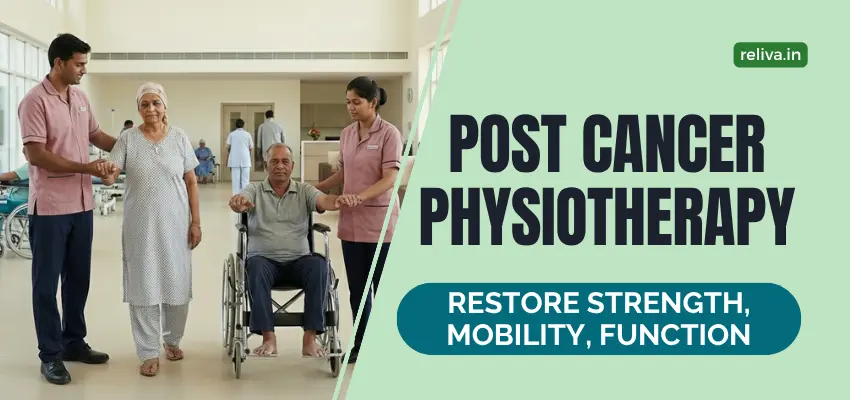
That is where structured post cancer physiotherapy becomes essential. With a targeted, exercise-based approach through physiotherapy after cancer recovery, patients can gradually restore strength, improve mobility, and regain confidence in movement.
What you will find in this article:
What Is Post-Cancer Physiotherapy?
Exercise Guidelines for Cancer Survivors
Clinic vs Home Physiotherapy After Cancer
Conditions Treated in Cancer Rehabilitation
What Is Post-Cancer Physiotherapy?
Post-cancer physiotherapy is a movement-focused rehabilitation program designed to restore physical function after cancer treatment. It goes beyond basic recovery by using structured exercises, movement retraining, and progressive loading techniques to rebuild the body safely. If you want to know when to start physiotherapy after cancer, check our detailed guide on this topic.
Unlike general rehabilitation, this approach specifically addresses the physical deconditioning caused by cancer treatments such as surgery, chemotherapy, and radiation, which often lead to muscle loss, joint stiffness, reduced stamina, and impaired coordination.
Physiotherapy focuses not only on isolated exercises but also on integrating movement into real-life activities, helping patients regain independence in walking, climbing stairs, lifting objects, and performing daily routines.
It is recommended for individuals experiencing:
- Weakness after treatment
- Reduced mobility or stiffness
- Fatigue affecting daily movement
- Difficulty with walking, balance, or coordination
- Reduced ability to perform functional activities
Post-Cancer Physiotherapy at a Glance
Post-cancer physiotherapy helps restore strength, mobility, balance, endurance, and physical function after cancer treatment. It is commonly recommended for survivors experiencing weakness, stiffness, fatigue, reduced mobility, or difficulty performing daily activities.

Key Goals of Physiotherapy After Cancer Recovery
The primary aim is to restore how the body moves and functions, not just relieve symptoms. Physiotherapy focuses on rebuilding physical capacity step by step through guided exercise.
-
Rebuilding Strength:
Restore muscle power for daily tasks. This includes strengthening major muscle groups such as the legs, core, and upper body to support posture, walking, and lifting movements.
-
Improving Mobility:
Enable smoother, pain-free movement
Mobility training targets stiff joints and tight muscles, helping improve range of motion required for bending, reaching, and turning.
-
Restoring Function:
Help return to routine activities independently Functional recovery includes activities like getting up from a chair, carrying groceries, or resuming work-related tasks.
-
Enhancing Endurance:
Improve energy and activity tolerance, Gradual conditioning helps patients perform activities for longer durations without excessive fatigue.
-
Reducing Risk of Falls:
Improve stability and coordination, Balance training is especially important for patients with weakness or nerve-related issues such as neuropathy.
Common Physical Challenges After Cancer
After cancer treatment, the body often goes through deconditioning, where physical capacity reduces due to inactivity and treatment effects.
This decline can affect multiple systems in the body, including muscles, joints, and the cardiovascular system, making even simple movements feel physically demanding.
Common challenges include:
- Muscle weakness
Often noticeable in the legs and core, affecting walking and posture. - Joint stiffness
Can limit range of motion, especially after surgery or prolonged inactivity. - Reduced endurance
Patients may feel fatigued even after short periods of activity. - Balance and coordination issues
May increase the risk of instability or falls during movement.
These challenges directly impact independence and quality of life, making early and structured physiotherapy after cancer recovery essential.
A Real Recovery Story
Many cancer survivors experience movement restrictions after surgery and benefit from structured physiotherapy programmes tailored to their specific needs.
“Dr. Sreeram helped me recover from neck and shoulder stiffness after my head and neck surgery. His treatment approach was very professional and tailored specifically to my needs. Thanks to his expertise and consistent guidance, I regained my movement and comfort much faster than I expected. A truly skilled and compassionate physiotherapist. Cannot thank him enough!”
— Fahmida Febin, Onco Rehab at ReLiva Physiotherapy & Rehab, Poolacode
Recovering After Cancer Treatment?
Many cancer survivors experience weakness, stiffness, reduced mobility, or difficulty returning to normal activities. With the right rehabilitation program, these challenges can often be addressed safely and effectively.
Physiotherapy Techniques Used After Cancer
Recovery after cancer requires a carefully planned and adaptable approach, as each patient’s needs and limitations can vary significantly. Physiotherapy is not based on a single method but involves a combination of techniques that are selected based on the individual’s condition, treatment history, and current functional level.
These techniques are designed to support safe progression, starting with gentle movements and gradually advancing to more structured exercises as the body regains strength and tolerance. The focus is always on improving movement, reducing discomfort, and restoring overall physical function without causing strain or fatigue.
A guided approach ensures that each technique is applied at the right time and intensity, making recovery both effective and sustainable.
Strength Training Programs
- Gradual exercises to rebuild muscle strength
- Focus on functional movements used in daily life
- Progression based on patient tolerance
Mobility and Stretching Exercises
- Gentle stretching to reduce stiffness
- Exercises to improve joint flexibility
- Movements to restore normal range
Balance and Gait Training
- Exercises to improve coordination
- Training to correct walking patterns
- Techniques to reduce fall risk
Breathing Exercises
- Improve lung capacity
- Support relaxation and energy levels
- Help with overall endurance
At ReLiva Physiotherapy & Rehab, these techniques are adapted based on individual recovery needs.
How Long Does It Take to Regain Strength After Cancer?
Recovery time varies for each person because cancer treatment affects the body differently. Some people may start feeling stronger within a few weeks, while others may take several months to regain full strength and endurance. The key is gradual, consistent progress rather than quick results.
Factors Affecting Recovery Time
- Type of cancer and treatment received
Treatments like surgery, chemotherapy, or radiation affect the body in different ways. For example, major surgery may lead to more initial weakness, while chemotherapy may impact overall stamina. - Duration of inactivity
Longer periods of rest or hospitalisation can lead to greater muscle loss, which may require more time to rebuild. - Age and overall health
Younger individuals or those with better baseline fitness may recover faster, while others may need a more gradual approach. - Presence of complications
Issues such as pain, swelling, fatigue, or neuropathy can slow down recovery and require targeted rehabilitation.
Expected Milestones
- Initial weeks
Patients may notice small improvements such as better joint movement, reduced stiffness, and slightly improved energy levels. - Few months into recovery
Strength, balance, and endurance gradually improve. Daily activities start feeling easier and more manageable. - Long-term recovery
Focus shifts to maintaining strength, preventing setbacks, and returning to a more active lifestyle.
At ReLiva Physiotherapy & Rehab, recovery programs are designed to match each stage. For example, in the early phase, patients are guided with gentle movements and low-intensity exercises, while in later stages, structured strengthening and endurance training help restore full function safely.
Consistency in physiotherapy, along with the right progression, plays a key role in achieving sustainable recovery.
Typical Recovery Timeline : Regaining Strength After Cancer
| Recovery Stage | Typical Focus |
| 0–6 weeks | Mobility and basic movement |
| 6–12 weeks | Strength rebuilding |
| 3–6 months | Endurance and function |
| 6+ months | Long-term conditioning |
Recovery Timelines Are Different for Everyone
Your recovery depends on factors such as the type of cancer treatment received, current strength levels, mobility limitations, fatigue, and overall health. A personalized physiotherapy program can help you progress safely and efficiently at every stage of recovery.
Exercise Guidelines for Cancer Survivors
Post cancer physiotherapy involves structured exercises and movement to regain function of muscles and strength. Following safe exercise practices is important during recovery.
- Safe Intensity Levels : Begin with low to moderate effort, increase gradually as tolerated, and avoid going beyond comfort.
- When to Avoid Exercise: Skip workouts if you have severe fatigue, active infection, uncontrolled pain, or medical advice against activity.
- Importance of Supervision: Proper guidance ensures correct technique, lowers injury risk, and helps track progress safely.
Several studies have observed that exercise training and testing was generally safe for cancer survivors and that every survivor should “avoid inactivity”. Specific doses of aerobic, combined aerobic plus resistance training, and/or resistance training could improve common cancer-related health outcomes, including anxiety, depressive symptoms, fatigue, physical functioning, and health-related quality of life.
At ReLiva Physiotherapy & Rehab, Cancer rehab exercise programs are supervised and customised. These expert physiotherapists take care when and what exercises to be used for each patient based on their stage of recovery and treatment. Although staying active is encouraged during cancer recovery, some symptoms may indicate that exercise should be temporarily avoided. Understanding these contraindications can help cancer survivors exercise safely and reduce the risk of complications.
The 4 Absolute Contraindications: When Not to Exercise
- Fever or Active Chills: Chemo temporarily depletes infection-fighting white blood cells. A fever indicates your body is actively battling an infection. Exercise will severely overtax your healing resources.
- Sharp, New Bone Pain :If you are on bone-targeted drugs or have metastatic lesions, sudden localized bone pain is a critical sign of structural vulnerability. Avoid movement and consult your physician immediately.
- Sudden Chest Pain or Dizziness : Exercise should never cause lightheadedness, chest tightness, or a rapid, pounding pulse while resting. These are primary cardiac alarms signaling a need for instant rest.
- Easy Bleeding or Severe Bruising: Highly suppressed platelet counts mean your blood cannot clot efficiently. Impactful movements or heavy resistance can cause spontaneous internal bleeding or deep muscle bruising.
What Does a Post-Cancer Physiotherapy Program Include?
A post-cancer physiotherapy program is designed to restore physical function through a combination of targeted exercises. Each component focuses on improving a specific aspect of movement and overall recovery.
Strength Training
Exercises aimed at rebuilding muscle strength lost during treatment. These help support daily activities such as standing, walking, and lifting.
Mobility Training
Stretching and movement exercises that improve joint flexibility and restore range of motion, making everyday movements easier and less restrictive.
Balance and Fall Prevention
Exercises that enhance coordination and stability, helping reduce the risk of falls and improving confidence during movement.
Endurance Training
Low-impact activities that gradually improve stamina and energy levels, allowing patients to stay active for longer periods.
Functional Activity Training
Practice of real-life movements such as sitting, walking, and climbing stairs to help patients return to daily routines independently.
Are These Challenges Affecting Your Recovery?
Weakness, stiffness, reduced endurance, balance problems, and difficulty with daily activities are common after cancer treatment. A physiotherapy assessment can help identify the specific factors limiting your recovery and create a personalised rehabilitation plan focused on restoring strength, mobility, and function.
Clinic vs Home Physiotherapy After Cancer
Both options have their benefits and can be used based on individual needs.
Clinic-Based Physiotherapy
- Direct supervision by physiotherapists
- Access to specialised equipment
- Structured and progressive programs
- Suitable for moderate to advanced recovery
Home-Based Physiotherapy
- Convenient and comfortable
- Suitable for low mobility patients
- Reduces travel effort
- Helps maintain consistency
Many patients benefit from a combination of both approaches at ReLiva Physiotherapy & Rehab.
Related Conditions Treated in Cancer Rehabilitation
Cancer recovery often involves managing additional conditions.
- Fatigue that affects daily energy levels [Helpful Guide: Cancer-Related Fatigue: Physiotherapy Management]
- Lymphedema causing swelling and discomfort [Helpful Guide: Lymphedema After Cancer Treatment: Physiotherapy Management]
- Neuropathy leading to tingling or numbness [Helpful Guide: Peripheral Neuropathy After Chemotherapy: Physiotherapy Care]
These conditions are commonly addressed as part of comprehensive post cancer physiotherapy.

Post-Cancer Physiotherapy Services Across Major Indian States
Cancer rehabilitation services are now more accessible across India. Patients can access physiotherapy support in:
- Maharashtra
- Gujarat
- Karnataka
- Tamil Nadu
- Kerala
- Telangana
- Andhra Pradesh
At ReLiva Physiotherapy & Rehab, structured rehabilitation programs are available across these regions, including clinic-based and home-based care.
Book a Post-Cancer Physiotherapy Assessment
Recovering after cancer treatment requires more than rest. It needs a structured plan to rebuild strength, restore movement, and improve daily function.
At ReLiva Physiotherapy & Rehab, physiotherapists assess your condition and create a personalised rehabilitation program tailored to your needs. Starting the right physiotherapy at the right time can help you regain independence, improve your quality of life, and move forward with confidence.

FAQs
Q. Can physiotherapy help regain strength after cancer?
Ans. Yes, physiotherapy plays a key role in rebuilding strength after cancer. Structured strength training helps gradually restore muscle power and improve overall physical function.
Q. How long does post-cancer physiotherapy take?
Ans. The duration varies from a few weeks to several months depending on the individual’s condition and consistency. At ReLiva Physiotherapy & Rehab, programs are customised to ensure safe and steady recovery.
Q. Is exercise safe after cancer treatment?
Ans. Yes, exercise is safe when guided by a qualified physiotherapist. Exercises are planned to match your current capacity and avoid overexertion.
Q. Can physiotherapy improve mobility after cancer?
Ans. Yes, physiotherapy helps improve mobility through targeted stretching and movement exercises. At ReLiva Physiotherapy & Rehab, these programs are designed to restore joint movement and reduce stiffness.
Q. What if I completed treatment months ago?
Ans. You can still benefit from physiotherapy even if treatment was completed months ago. Rehabilitation can help improve strength, mobility, and function at any stage of recovery.
Q. Can physiotherapy help with fatigue after cancer treatment?
Ans. Yes, physiotherapy is highly effective for cancer-related fatigue. Since this fatigue doesn’t resolve with rest, our specialists create personalized, graded exercise programs. These help build endurance, improve circulation, and boost energy levels, empowering you to regain your strength and independence after treatment.
………
This article has been reviewed by Dr Aryasree. Dr. Aryasree (PT) is an oncological physiotherapist at ReLiva Physiotherapy & Rehab Poolacode with specialized expertise in cancer rehabilitation. Certified in lymphedema therapy, she focuses on post-operative recovery, pelvic floor therapy, lymphedema management, and survivorship care. Through evidence-based interventions, she enhances functional outcomes and quality of life, contributing to multidisciplinary oncology teams with patient-centered rehabilitation strategies that empower individuals to recover safely and live with confidence.
…

