


Medically reviewed by Dr. Mansoorali EK (PT) – Updated July, 2026.
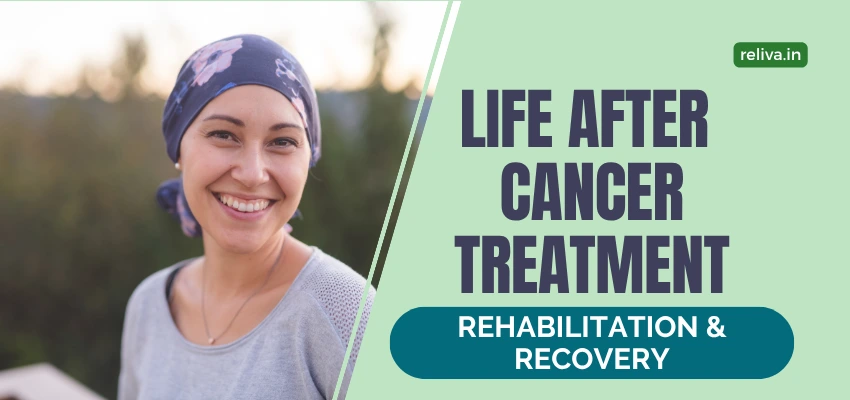
Completing cancer treatment is a powerful milestone, but it marks the beginning of a new phase, not the end of the journey. As the focus shifts from treatment to recovery, many survivors find themselves navigating a mix of relief, uncertainty, and ongoing physical challenges. Fatigue, weakness, reduced mobility, and a loss of confidence are common, making it difficult to immediately return to normal life.
This phase, known as survivorship, is where rehabilitation after cancer treatment becomes essential. It’s not just about recovering from treatment, but about rebuilding the body, restoring function, and reclaiming independence. With the right guidance and a structured approach, survivors can gradually regain strength, improve endurance, and enhance their overall well-being.
Cancer Rehabilitation also plays a key role in addressing long-term side effects, preventing complications, and supporting emotional resilience. A personalised plan ensures that each individual’s recovery journey is safe, progressive, and aligned with their unique needs and goals.
At ReLiva Physiotherapy & Rehab, cancer survivorship rehabilitation is designed to support patients through every stage of recovery with personalised, evidence-based care, helping them not just recover, but truly move forward with confidence and strength.
What Rehabilitation Do Cancer Survivors Need After Treatment?
Cancer survivors often require a holistic and structured rehabilitation approach to recover fully after treatment. This typically includes a combination of physical rehabilitation to rebuild strength, improve mobility, and reduce fatigue; functional rehabilitation to regain independence in daily activities; and emotional and psychological support to cope with stress, anxiety, or fear of recurrence.
In addition to these core areas, rehabilitation may also involve pain management, balance and coordination training, and strategies to address treatment-related side effects such as neuropathy, stiffness, or reduced endurance. Nutritional guidance and lifestyle modification also play an important role in restoring overall health and preventing complications.
A well-designed rehabilitation plan is usually personalized based on the individual’s type of cancer, treatment received, and current physical condition. With consistent physiotherapy, guided exercises, and supportive care, survivors can gradually return to their normal routines, improve their quality of life, and regain confidence in their bodies.
Common Rehabilitation Needs After Cancer Treatment
| Challenge | How Rehabilitation Helps |
| Fatigue | Improves endurance |
| Weakness | Rebuilds strength |
| Neuropathy | Improves balance and function |
| Lymphedema | Reduces swelling |
| Stiffness | Restores mobility |
| Reduced independence | Improves daily function |
What Is Cancer Survivorship Rehabilitation?
Cancer survivorship rehabilitation refers to the physical, functional, and supportive therapies that help individuals recover from the effects of cancer and its treatment. It focuses on improving strength, mobility, endurance, independence, and quality of life while managing long-term side effects such as fatigue, neuropathy, pain, and lymphedema.

Why Rehabilitation Is Essential After Cancer Treatment
Impact of Surgery, Chemotherapy, and Radiation
Cancer treatments can significantly affect the body. Surgery may lead to pain, stiffness, and reduced movement. Chemotherapy can cause fatigue, weakness, and nerve-related symptoms. Radiation therapy may result in tissue tightness and limited mobility.
These effects are not always temporary. Without proper rehabilitation, they can persist and interfere with daily functioning.
Long-Term Side Effects Survivors Face
Even after treatment ends, survivors may experience long-term issues such as reduced stamina, joint stiffness, muscle weakness, swelling, and difficulty performing routine tasks. These challenges can affect independence, work, and overall well-being.
Rehabilitation helps address these issues early and prevents them from becoming long-term limitations.
Common Problems After Cancer Treatment
Fatigue and Low Energy
Persistent fatigue is one of the most common concerns among cancer survivors. It can affect physical activity, concentration, and daily functioning. Structured rehabilitation helps improve energy levels gradually.
(Internal link → fatigue blog)
Pain and Neuropathy
Some patients experience ongoing pain or nerve-related symptoms such as tingling, numbness, or burning sensations. Rehabilitation helps manage these symptoms and improve comfort.
Lymphedema and Swelling
Swelling, especially after surgeries involving lymph node removal, can affect movement and comfort. Early management is important to prevent complications.
Related Reading: Lymphedema After Cancer Treatment: Physiotherapy Management Guide
Weakness and Loss of Strength
Reduced physical activity during treatment can lead to muscle weakness, making daily tasks more difficult.
Reduced Mobility and Stiffness
Joint stiffness and limited movement can affect independence and reduce overall quality of life.
Types of Rehabilitation After Cancer Treatment
Cancer rehabilitation is multi-dimensional and often involves different types of therapy.
Physiotherapy for Strength and Mobility
Physiotherapy focuses on improving strength, flexibility, balance, and endurance. It helps restore movement and reduce physical limitations.
Occupational Therapy for Daily Activities
Occupational therapy helps patients regain the ability to perform everyday tasks such as dressing, cooking, and working.
Speech and Swallow Rehabilitation
For patients affected by head and neck cancers, therapy may be required to improve speech, swallowing, and communication.
Psychological Support
Emotional well-being is an important part of recovery. Counselling and support help patients cope with anxiety, stress, and changes in lifestyle.
At ReLiva Physiotherapy & Rehab, rehabilitation programs are often coordinated to address multiple aspects of recovery.
Cancer Survivorship Rehabilitation: A Phase-Wise Approach
Recovery after cancer treatment is not a single step process. It progresses through different phases.
Early Recovery Phase
This phase begins soon after treatment ends or after surgery. The focus is on gentle movement, pain management, and preventing complications such as stiffness or weakness.
Mid-Term Recovery Phase
During this phase, rehabilitation becomes more structured. The focus shifts to improving strength, endurance, and functional independence.
Long-Term Survivorship
In the long term phase, the goal is to maintain progress, prevent recurrence of symptoms, and support an active and healthy lifestyle.
Related Reading: Post-Cancer Physiotherapy: Restoring Strength and Mobility
At ReLiva Physiotherapy & Rehab, programs are adapted based on the patient’s stage of recovery and individual goals.
Not sure which stage of recovery you are in?
A physiotherapy assessment can help identify mobility limitations, weakness, fatigue, and other rehabilitation needs, allowing a personalised recovery plan to be developed.
Who Can Benefit From Cancer Survivorship Rehabilitation?
Cancer survivorship rehabilitation can benefit individuals experiencing physical, functional, or mobility-related challenges during or after treatment. While rehabilitation is valuable for many cancer survivors, some groups may particularly benefit from structured physiotherapy support.
Breast Cancer Survivors
Breast cancer treatment can lead to shoulder stiffness, reduced arm mobility, weakness, and swelling ,postural defects like thoracic kyphosis . Rehabilitation helps restore movement, improve strength, and support a return to daily activities.
Head and Neck Cancer Survivors
Treatment may affect posture,nerve damage(neuropraxia) neck and shoulder mobility, breathing, and overall physical function. Physiotherapy helps improve movement, flexibility, and functional recovery.
Patients After Chemotherapy
Chemotherapy can cause fatigue, weakness, reduced endurance, and post cancer nerve-related symptoms. Rehabilitation supports strength, energy levels, balance, and overall physical well-being.
Patients After Radiotherapy
Radiotherapy may cause swelling, tenderness and reduced arm (or limb) movement. Physiotherapy helps better posture, reduced pain and stiffness, reduced swelling and improved mobility.
Patients After Major Surgery
Surgical recovery often involves pain, stiffness, and reduced mobility. Physiotherapy helps restore movement, rebuild strength, and prevent long-term functional limitations especially after Bone and soft tissue surgeries or even a neurosurgery.
Pediatric Cancer Survivors
Children recovering from cancer treatment may experience challenges with strength, coordination, and physical development. Rehabilitation supports mobility, participation in daily activities, and age-appropriate developmental progress.
How Physiotherapy Helps in Cancer Recovery?
Improving Strength and Endurance
Cancer treatment can lead to muscle weakness, reduced stamina, and decreased physical activity. Physiotherapy uses structured exercise programs to gradually rebuild strength, improve endurance, and restore physical function. Improved fitness helps survivors perform daily activities more comfortably, regain independence, and return to work, family, and recreational activities with confidence.
Reducing Pain and Stiffness
Pain, stiffness, and restricted movement are common after cancer treatment, particularly following surgery or radiation therapy. Physiotherapy helps restore mobility through targeted exercises, stretching, and movement training. Early rehabilitation can improve flexibility, reduce discomfort, and support better movement, making everyday activities easier and more comfortable.
Preventing Long-Term Disability
Without rehabilitation, treatment-related problems such as weakness, reduced mobility, swelling, and balance difficulties may persist long after treatment ends. Physiotherapy addresses these challenges early, helping maintain physical function and independence. Timely rehabilitation can reduce long-term limitations, improve quality of life, and support a more active recovery.
Learn more about rebuilding strength and mobility after treatment in our guide on Post-Cancer Physiotherapy: Restoring Strength and Mobility.

Rehabilitation for Different Cancer Types
Breast Cancer Rehab
Focuses on restoring shoulder mobility, reducing swelling, and improving upper body strength.
Pediatric Cancer Rehab
Supports physical development, strength, and coordination in children undergoing or recovering from treatment.
Other Solid Tumours
Rehabilitation is tailored based on the affected area and treatment type, focusing on restoring function and mobility.
Accessing Cancer Rehabilitation Services Across India
Cancer rehabilitation services are becoming more accessible across India. Patients can access structured rehabilitation programs in regions such as Maharashtra, Gujarat, Karnataka, Tamil Nadu, Kerala, Telangana and Andhra Pradesh with ReLiva’s specialised Onco rehab programs.
At ReLiva Physiotherapy & Rehab, rehabilitation services are designed to support patients across these regions through clinic-based care, home physiotherapy, and guided programs tailored to individual needs.
Home-Based vs Clinic-Based Cancer Rehabilitation
Both home-based and clinic-based rehabilitation have their benefits. Home-based care offers convenience and comfort, while clinic-based rehabilitation provides access to specialised equipment and supervision.
The choice depends on the patient’s condition, mobility, and preference. In many cases, a combination of both approaches works best.

FAQs
Q. Do all cancer patients need rehabilitation?
Ans. Not all patients may require intensive rehabilitation, but most can benefit from some level of structured support. Rehabilitation helps manage side effects, improve strength, and restore function. Even mild symptoms can improve significantly with guided therapy.
Q. How long does cancer rehab last?
Ans. The duration of rehabilitation varies depending on the type of cancer, treatment received, and individual recovery. At ReLiva Physiotherapy & Rehab, programs may last from a few weeks to several months, with some patients continuing maintenance exercises long term for sustained benefits.
Q. Is physiotherapy safe after chemotherapy?
Ans. Yes, physiotherapy is generally safe after chemotherapy when guided by trained professionals. Programs are customised based on energy levels, medical condition, and treatment effects to ensure safety and effectiveness.
Q. Can rehab start years after treatment?
Ans. Yes, rehabilitation can begin even years after treatment. Many long-term survivors benefit from physiotherapy to address ongoing issues such as stiffness, weakness, or reduced mobility. With expert guidance from ReLiva Physiotherapy & Rehab, it is never too late to improve function and quality of life.
Q. Can rehabilitation improve quality of life after cancer?
Ans. Yes, cancer rehabilitation is instrumental in improving quality of life. By addressing physical, functional, and psychological side effects, it empowers patients to regain independence, reduce fatigue, and manage chronic pain. This proactive support helps transition patients from “surviving” to “thriving” by restoring their ability to perform daily activities.
Q. What problems can cancer rehabilitation help treat?
Ans. Cancer rehabilitation addresses a wide range of side effects resulting from cancer and its treatments, including:
- Physical: Managing chronic pain, muscle weakness, and joint stiffness.
- Functional: Improving balance, mobility, and endurance to combat cancer-related fatigue.
- Specific: Treating lymphedema, scar tissue restrictions, and neurological issues (like peripheral neuropathy).
- Psychological: Reducing anxiety through restored physical confidence and independence.
Start Your Recovery Journey with Guided Cancer Rehabilitation
Recovery after cancer is not just about surviving, it is about regaining control over your body and your life. Addressing physical limitations, rebuilding strength, and improving daily function are essential steps in this journey.
At ReLiva Physiotherapy & Rehab, personalised cancer survivorship rehabilitation programs are designed to support you at every stage of recovery. With the right guidance and timely intervention, you can move forward with strength, confidence, and improved quality of life.
……………………….
This article has been reviewed by Dr. Mansoorali EK (PT). Dr. Mansoor (PT) is a very experienced physiotherapist, based in Kozhikode. With expertise in cardiopulmonary rehabilitation, neuro rehab, oncology care, and lymphedema management, he provides evidence‑based treatment for pre‑ and post‑operative recovery, critical care, chronic conditions and palliative care in Kozhikode. His patient‑focused approach emphasizes mobility restoration, pain relief, and holistic well‑being, helping individuals regain independence and improve quality of life through compassionate, specialized physiotherapy care.

