

Medically reviewed by Dr. Khushboo Kantharia (PT) – Updated July, 2026.
That dull ache in your hip, which might be a reason to seek hip arthritis treatment, is easy to ignore when it shows up after a long day or when you get up from a chair. You may often brush it off as mere fatigue or age catching up.
Many people unknowingly adjust their movements to avoid pain, without realising that these small changes can be early signs of hip arthritis.
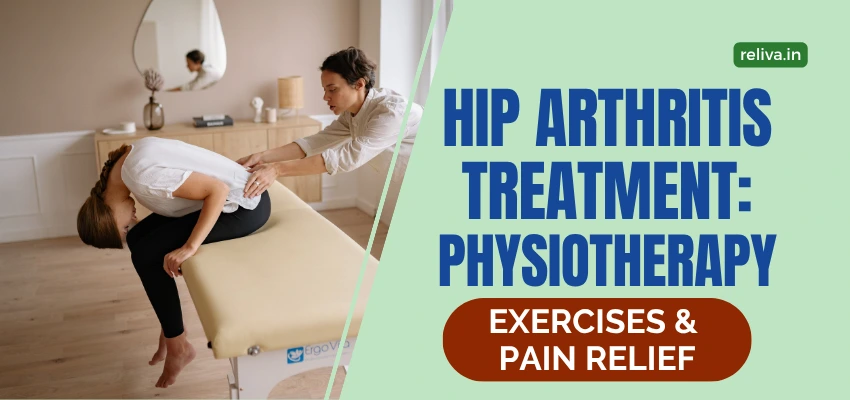
Hip arthritis is a progressive condition, but it does not mean you have to give up your independence or active lifestyle. With the right hip arthritis treatment, especially a structured and personalised approach through physiotherapy for hip arthritis at ReLiva Physiotherapy & Rehab, it is possible to reduce pain, improve mobility, and continue doing the activities you enjoy.
At ReLiva Physiotherapy & Rehab, the focus goes beyond temporary relief. The approach is centred on identifying the root cause of pain, restoring movement, and helping you move confidently without fear of discomfort.
Understanding the broader principles of arthritis treatment can help individuals seek care before symptoms begin affecting mobility and independence.
What is Hip Arthritis?
Hip arthritis is a condition in which the cartilage that cushions the hip joint gradually wears down. This leads to pain, stiffness, and reduced range of motion. Since the hip joint plays a major role in supporting body weight and enabling movement, even mild degeneration can begin to affect daily activities.
How does hip arthritis affect the joint?
The hip is a ball-and-socket joint that allows smooth movement in multiple directions. In hip arthritis, the joint gradually loses this smooth movement, leading to pain, stiffness, and reduced flexibility.
As the condition progresses, everyday movements can become uncomfortable, and the joint may feel stiff or restricted. At ReLiva Physiotherapy & Rehab, this is managed through targeted physiotherapy that focuses on improving mobility, strengthening muscles, and reducing stress on the hip.
What is the Best Treatment for Hip Arthritis?
The best treatment for hip arthritis typically combines physiotherapy, exercise, weight management, and lifestyle modifications. Physiotherapy helps reduce pain, improve mobility, strengthen supporting muscles, and maintain independence in daily activities.
Types of Hip Arthritis
Osteoarthritis is the most common type. Learn more about osteoarthritis treatment and how physiotherapy helps manage symptoms.
Osteoarthritis
This is the most common type and develops due to gradual wear and tear of the joint. It usually progresses slowly and is commonly seen with ageing, though it can also occur earlier due to lifestyle factors or joint stress.
Rheumatoid arthritis
An autoimmune condition in which the body’s immune system attacks the joint lining. This leads to inflammation, swelling, and long term joint damage.
Post traumatic arthritis
This type develops after injuries such as fractures, dislocations, or cartilage damage. Even after healing, the joint may not function normally, increasing the risk of early degeneration.
Hip Arthritis: Who is affected?
In India, hip arthritis commonly affects individuals in two distinct age brackets depending on the type:
- Older Adults (50s to 70s): Primary osteoarthritis (wear-and-tear) most commonly affects people in this age group, typically intensifying after age 50.
- Young Adults (20s to 40s): Unlike Western countries, India has a very high rate of young patients (ages 20–40) experiencing secondary hip arthritis. This is largely driven by Avascular Necrosis (AVN) of the hip, caused by chronic alcohol use, steroid usage (e.g., for skin conditions), or previous trauma (road accidents, post surgery complications).
Why Early Treatment of Hip Arthritis Matters?
Early treatment plays a crucial role in slowing down the progression of hip arthritis and maintaining joint function. Research has consistently shown that physiotherapy for hip arthritis can improve mobility, reduce pain, and strengthen the muscles that support the joint.
At ReLiva Physiotherapy & Rehab, early intervention focuses on a structured and personalised plan that includes:
- Reducing joint stress through guided movement
- Improving muscle strength and joint stability
- Correcting faulty movement patterns
- Preventing long term complications
This proactive approach helps patients stay active, maintain independence, and reduce the chances of needing surgical intervention later.
Symptoms of Hip Arthritis
Symptoms often develop gradually and may be mild in the early stages, which is why they are commonly overlooked.
Hip pain during walking or sitting
Pain is usually felt in the groin, outer thigh, or buttock region. Initially, it may occur only during activities such as walking or climbing stairs. As the condition progresses, the pain may persist even during rest or prolonged sitting.
Stiffness and reduced range of motion
Stiffness is often more noticeable after periods of inactivity, such as after waking up or sitting for long durations. Movements like bending, turning, or spreading the legs may feel restricted.
Difficulty with daily activities
Simple tasks such as climbing stairs, getting up from a chair, bending to pick something up, or wearing footwear can become increasingly difficult. Over time, this can affect independence and confidence in movement.
When symptoms indicate worsening arthritis
Persistent pain, limping, reduced walking ability, and increasing stiffness are signs that the condition may be progressing and requires timely attention.
At ReLiva Physiotherapy & Rehab, these symptoms are carefully assessed to design a personalised recovery plan.
Causes and Risk Factors Associated with Hip Arthritis
Hip arthritis develops due to a combination of factors that affect joint health over time.
Age related cartilage wear
Natural wear and tear over the years can gradually lead to cartilage breakdown.
Previous injury or trauma
Past injuries can alter joint mechanics and increase the risk of developing arthritis later.
Obesity and lifestyle factors
Excess body weight increases pressure on the hip joint, while a sedentary lifestyle weakens the muscles that support it.
Genetic predisposition
A family history of arthritis can increase the likelihood of developing the condition.
At ReLiva Physiotherapy & Rehab, these factors are considered while designing treatment to ensure long term results rather than short term relief.
How is Hip Arthritis Diagnosed?
Clinical evaluation
A detailed assessment of symptoms, joint movement, and daily functional limitations is carried out.
Imaging
X-rays help identify joint space narrowing and bone changes, while MRI scans may be used to assess soft tissue involvement and early changes.
Functional assessment by a physiotherapist
At ReLiva Physiotherapy & Rehab, physiotherapists perform a comprehensive evaluation of posture, strength, flexibility, and walking pattern. This helps identify the root cause and guides a targeted physiotherapy plan for hip arthritis.
Hip Arthritis Treatment Options
Treatment focuses on reducing pain, improving mobility, and maintaining independence.
Non-Surgical Treatment
- Medications
Used to manage pain and inflammation when required, especially during flare ups. - Activity modification
Making small changes in daily routines helps reduce strain on the hip joint. - Weight management
Reducing excess weight decreases pressure on the joint and improves outcomes.
Physiotherapy for Hip Arthritis
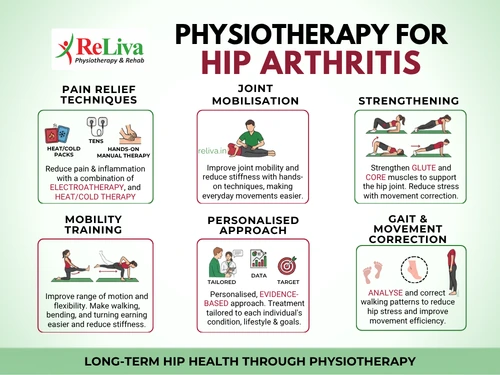
Physiotherapy for hip arthritis at ReLiva Physiotherapy & Rehab is a key part of treatment and long-term management.
Pain relief techniques
A combination of manual therapy for arthritis, electrotherapy, and heat therapy or cold therapy is used to reduce pain and inflammation and prepare the joint for movement.
Joint mobilisation
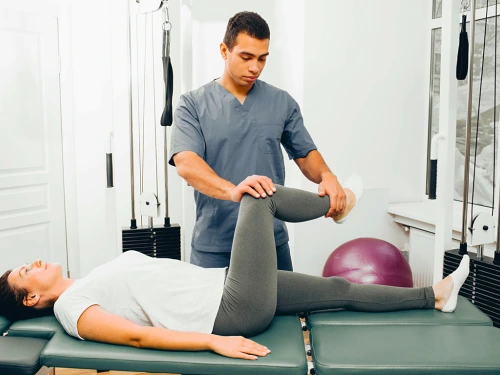
Hands-on techniques improve joint mobility and reduce stiffness, making everyday movements easier and more comfortable.
Strengthening
Exercises focus on strengthening the glute and core muscles, which support the hip joint. Movement correction ensures that daily activities are performed safely and efficiently, reducing unnecessary stress on the joint.
What makes ReLiva Physiotherapy & Rehab different is its personalised, evidence-based approach where treatment plans are tailored according to each individual’s condition, lifestyle, and recovery goals.
Mobility training
focuses on improving the range of motion and flexibility of the hip joint. Through guided movements and gentle exercises, it helps reduce stiffness and makes everyday activities like walking, bending, and turning easier. Regular mobility training also supports smoother joint movement and prevents further restriction over time.
Gait and Movement Correction
At ReLiva Physiotherapy & Rehab, walking patterns are analysed and corrected to reduce stress on the hip and improve movement efficiency.
Struggling with hip pain, stiffness, or difficulty walking? A physiotherapy assessment can help identify the factors contributing to your symptoms and create a personalised treatment plan focused on restoring mobility and independence.
How Hip Arthritis Affects Daily Activities
Hip arthritis does not just cause pain, it can gradually interfere with simple, everyday movements.
- Walking: Pain and stiffness can make walking uncomfortable, leading to shorter steps or limping.
- Climbing Stairs: This becomes difficult due to increased load on the hip joint.
- Sitting and Standing: Stiffness after sitting makes it hard to stand up smoothly.
- Getting In and Out of a Car: Twisting movements can trigger pain and discomfort.
- Putting on Shoes and Socks: Limited mobility makes bending and reaching difficult.
Hip Arthritis vs Normal Ageing
Many people assume that hip pain and stiffness are a natural part of ageing. However, hip arthritis is a medical condition that goes beyond normal age-related changes. Understanding the difference is important, as early identification can help in seeking the right hip arthritis treatment and preventing further joint damage.
Hip Arthritis and Normal Ageing Compared
|
Feature |
Normal Ageing |
Hip Arthritis |
|
Stiffness |
Mild stiffness that improves quickly with movement |
Frequent stiffness that lasts longer and may affect daily activities |
|
Pain |
Occasional discomfort after activity |
Persistent pain that may worsen over time and can occur even at rest |
|
Mobility |
Minor slowing of movement with age |
Noticeable restriction in hip movement, making bending, turning, or walking difficult |
|
Daily Activities |
Walking, climbing stairs, and standing remain largely manageable |
Activities such as walking, climbing stairs, getting up from a chair, or putting on shoes may become increasingly challenging |
|
Progression |
Changes are gradual and often do not affect independence |
Symptoms may progressively worsen without appropriate treatment |
|
Need for Treatment |
General exercise and healthy lifestyle habits are usually sufficient |
Often requires structured hip arthritis treatment and physiotherapy to maintain mobility and function |
Key Takeaway: Occasional stiffness can be a normal part of ageing. However, persistent hip pain, reduced mobility, or difficulty performing everyday activities may indicate hip arthritis. Early physiotherapy can help reduce pain, improve movement, and support long-term joint health.
When is Surgery Needed?
Indicators for hip replacement
Hip Surgery may be considered when pain is severe, persistent, and does not improve with conservative treatment.
Limitations in daily life
If activities such as walking, sitting, or sleeping become significantly difficult, surgical options may be explored.
Even in such cases, ReLiva Physiotherapy & Rehab plays an important role through structured prehab and post operative physiotherapy to improve recovery and outcomes.
Best Exercises for Hip Arthritis
Strengthening Exercises
Bridges and side leg raise help strengthen the muscles supporting the hip joint and improve stability. Explore our guide to arthritis exercises to reduce pain for additional exercises suitable for different joints affected by arthritis.
Mobility Exercises
Gentle hip rotations help maintain flexibility and reduce stiffness.
Low Impact Activities
Walking and cycling help keep the joint active without excessive strain and improve overall fitness.
At ReLiva Physiotherapy & Rehab, exercises are prescribed based on individual ability to ensure safety and effectiveness.
Daily Tips to Manage Hip Arthritis
- Sitting and standing posture: Maintaining proper posture reduces unnecessary strain on the hip joint.
- Activity modification: Breaking tasks into smaller steps helps prevent overloading the joint.
- Weight management: Even small changes in body weight can significantly reduce joint stress.
- Use of supports: Supportive footwear or walking aids can improve balance and reduce discomfort during movement.
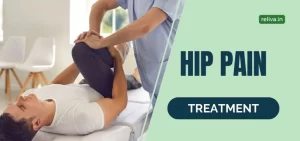
When to See a Physiotherapist?
If you experience persistent hip pain, stiffness, difficulty walking, or reduced independence, it is important to seek help early.
At ReLiva Physiotherapy & Rehab, early physiotherapy for hip arthritis focuses on controlling symptoms, improving function, and preventing further progression.
Can Hip Arthritis Be Reversed or Controlled?
Hip arthritis cannot be completely reversed, but hip arthritis treatment with physiotherapy, targeted exercises, and lifestyle changes at ReLiva Physiotherapy & Rehab can effectively control pain, improve mobility, and slow progression. Early intervention is key to long term joint health.
Take the First Step Towards Easier Movement
Hip arthritis does not have to limit your independence. With the right physiotherapy approach, it is possible to reduce pain, improve mobility, and continue doing the activities you enjoy. Speak with a ReLiva physiotherapist to begin a personalised hip arthritis treatment plan tailored to your needs.

FAQs
Q. Is walking good for hip arthritis?
Ans. Yes, walking is a safe and beneficial low impact activity for people with hip arthritis. It helps maintain joint mobility, improves blood circulation, and prevents stiffness from worsening. Regular walking also supports muscle strength around the hip, which reduces joint stress. However, it is important to walk at a comfortable pace, avoid uneven surfaces, and stop if pain increases.
Q. What is the best treatment for hip arthritis?
Ans. The best treatment for hip arthritis is a combination of physiotherapy for hip arthritis at ReLiva Physiotherapy & Rehab, exercise, weight management, and lifestyle changes. Physiotherapy focuses on reducing pain, improving mobility, and strengthening supporting muscles. A personalised treatment plan ensures long term relief rather than temporary symptom control. Early intervention plays a key role in achieving better outcomes.
Q. Can physiotherapy avoid hip replacement?
Ans. In many cases, physiotherapy can help delay or even avoid the need for hip replacement surgery. At ReLiva Physiotherapy & Rehab, treatment focuses on improving joint function, correcting movement patterns, and reducing pain through targeted exercises and therapy. When started early, physiotherapy can significantly improve quality of life and reduce dependency on surgical options. However, advanced cases may still require medical evaluation.
Q. Which exercises should be avoided?
Ans. High impact exercises such as running, jumping, deep squats, and sudden twisting movements should be avoided in hip arthritis. These activities increase stress on the hip joint and may worsen pain and inflammation. It is also important to avoid exercises that cause discomfort or strain. At ReLiva Physiotherapy & Rehab, exercises are carefully selected and modified to ensure they are safe, effective, and suited to individual needs.
Q. Can Physiotherapy Help Hip Arthritis?
Ans. Yes. Physiotherapy is one of the most effective non-surgical treatments for hip arthritis. It helps reduce pain, improve mobility, strengthen supporting muscles, and maintain independence in daily activities.
Q. Why does hip arthritis pain increase after sitting?
Ans. Sitting for long periods leads to joint stiffness. When you stand up, the joint takes time to move smoothly again, causing temporary pain and discomfort. Regular movement and physiotherapy help reduce this stiffness.
Q. Can hip arthritis get worse if left untreated?
Yes. Without appropriate treatment, hip arthritis may gradually worsen, leading to increased pain, stiffness, reduced mobility, and difficulty performing daily activities. Early physiotherapy can help slow progression and maintain joint function.
…………….
This article has been reviewed by physiotherapist Khushboo Kantharia. Dr. Khushboo Kantharia (PT) is a physiotherapist based in Opera House, Mumbai, specializing in sports rehabilitation and neurodynamic techniques. With certifications in dry needling, electro‑dry needling, kinesiology taping, and diversified cupping therapy, she brings advanced skills to orthopedic and sports injury care. Trained under leading experts in NDT (paediatrics) and Neurodynamic Solutions, she practices Maitland, Mulligan’s, manual therapy, myofascial release, gait training, and MET. Believing that healing goes beyond exercises, she combines clinical expertise with empathy and personalized care, making her a trusted choice for sports physiotherapy in Mumbai.
….