



Medically reviewed by Dr. Ravi Teja (PT) – Updated July, 2026
Today’s spot light on shoulder arthritis treatment! Reaching up to a shelf, lifting a bag, or even getting dressed should feel simple. But when your shoulder starts feeling stiff, painful, or weak during these everyday movements, it can quickly begin to affect your routine. Many people first notice a slight restriction in movement before the pain becomes more obvious.
The shoulder is one of the most mobile joints in the body. When arthritis affects it, even small limitations can have a big impact on daily life. Tasks like combing your hair, reaching overhead, or sleeping comfortably can become difficult.
The good news is that with the right shoulder arthritis treatment, especially through a structured approach with physiotherapy for shoulder arthritis at ReLiva Physiotherapy & Rehab, it is possible to reduce pain, improve mobility, and regain functional movement.
At ReLiva Physiotherapy & Rehab, treatment focuses on restoring how your shoulder moves and functions, not just relieving symptoms temporarily.
Understanding the broader principles of arthritis treatment can help people seek care before symptoms begin affecting daily activities.
What is Shoulder Arthritis?
Shoulder arthritis is a condition in which the cartilage within the shoulder joint gradually wears down, leading to pain, stiffness, and reduced mobility. While it is less common than arthritis in weight-bearing joints, it is increasingly seen in India due to ageing, lifestyle factors, and repetitive shoulder use.
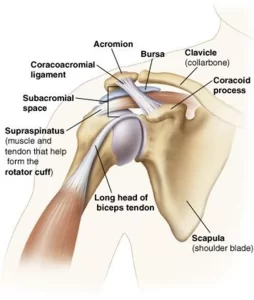
How Arthritis Affects The Shoulder Joint?
The shoulder is a highly mobile joint that allows movement in multiple directions. With arthritis, the joint gradually becomes painful and stiff, making movements less smooth and more restricted.
As the condition progresses, daily activities may become challenging, and reduced use can lead to muscle weakness. At ReLiva Physiotherapy & Rehab, physiotherapy focuses on improving mobility, building strength, and reducing stress on the shoulder joint.
Types of Shoulder Arthritis
Osteoarthritis
This is the most common type and occurs due to the gradual wear and tear of the joint over time. Osteoarthritis is the most common type. Learn more about osteoarthritis treatment and how physiotherapy helps manage symptoms.
Rheumatoid arthritis
An autoimmune condition that causes inflammation in the joint lining and can lead to joint damage.
Post traumatic arthritis
Develops after injuries such as fractures or dislocations that affect joint structure.
Why shoulder arthritis can limit daily activities?
The shoulder is involved in almost every upper-body movement. When arthritis affects it, even basic activities like lifting, reaching, dressing, or carrying objects can become difficult. Reduced use of the arm due to pain can further weaken muscles and worsen the condition.
Symptoms of Shoulder Arthritis
Symptoms may develop gradually and become more noticeable over time.
Shoulder pain during movement or rest
Pain may occur while lifting the arm, reaching overhead, or carrying weight. In advanced stages, pain may also be present at rest or during sleep, especially when lying on the affected side.
Stiffness and reduced range of motion
The shoulder may feel tight and restricted, making it difficult to move freely. Activities that require rotation or lifting the arm may feel limited.
Difficulty lifting the arm or reaching overhead
Tasks like combing hair, wearing clothes, or reaching for objects may become challenging due to pain and weakness.
Clicking or grinding sensation
A grinding or clicking sound may be felt during movement due to irregular joint surfaces.
When symptoms indicate progression
Persistent pain, reduced mobility, increasing stiffness, and difficulty performing daily activities indicate progression and should not be ignored.
Causes and Risk Factors Associated with Shoulder Arthritis
Shoulder arthritis develops due to multiple factors that affect joint health.
Age related joint degeneration
With age, cartilage gradually wears down and loses its ability to repair itself.
Previous injury or overuse
Repetitive movements or past injuries can increase stress on the joint and lead to degeneration.
Rotator cuff issues and instability
Weakness or injury in the rotator cuff muscles can affect joint stability and increase wear.
Inflammatory conditions
Conditions like rheumatoid arthritis can cause chronic inflammation and joint damage.
At ReLiva Physiotherapy & Rehab, these factors are carefully assessed to create a personalised treatment plan.
How is Shoulder Arthritis Diagnosed?
Physical examination
A detailed assessment of pain, movement, and strength is performed to understand functional limitations.
Imaging tests
X rays help identify joint changes, while MRI scans may assess soft tissues and early damage.
Functional movement assessment
At ReLiva Physiotherapy & Rehab, physiotherapists evaluate posture, movement patterns, and muscle imbalances to identify the root cause and guide treatment.

Shoulder Arthritis Treatment Options
Treatment focuses on reducing pain, improving mobility, cuff muscles strengthening and restoring function.
Non-Surgical Treatment
- Medications: Used to manage pain and inflammation during flare ups.
- Activity modification: Reducing strain on the shoulder while maintaining safe movement.
- Lifestyle changes: Improving posture and incorporating regular movement supports joint health.
Physiotherapy for Shoulder Arthritis
Physiotherapy for shoulder arthritis focuses on reducing pain, improving mobility, and restoring function. A structured program helps patients move comfortably and perform daily activities with ease.
- Pain Relief Techniques: Methods like manual therapy for shoulder arthritis, electrotherapy, and heat / cold therapy help reduce pain and inflammation.
- Manual Therapy and Joint Mobilisation: Hands-on techniques improve joint movement and reduce stiffness.
- Improving Range of Motion: Guided exercises help restore flexibility and make shoulder movements smoother.
- Strengthening the Shoulder cuff muscles: Targeted exercises strengthen surrounding muscles to support the joint and improve stability.
- Movement and Posture Correction: Correcting posture and movement patterns reduces strain on the shoulder and prevents further damage.
See how these evidence-based techniques have made a real difference for our patients: “I had severe shoulder and upper body pain. Physiotherapist Dr. Anita treated me, and now the pain is gone. The sessions were very helpful, and the staff was courteous and supportive.” remarks Mr Ajay Deshmukh after his shoulder treatment at ReLiva Physiotherapy clinic in Powai, Mumbai.
Struggling with shoulder pain, stiffness, or difficulty reaching overhead?
A physiotherapy assessment can help identify the factors contributing to your symptoms and create a personalised treatment plan focused on restoring movement and function.
How Shoulder Arthritis Affects Daily Activities?
Shoulder arthritis can make simple daily tasks uncomfortable due to pain, stiffness, and limited movement.
- Reaching Overhead: Activities like reaching for objects on shelves become difficult and painful.
- Dressing and Personal Care: Wearing clothes, combing hair, or bathing may feel restricted due to reduced shoulder mobility.
- Lifting and Carrying Objects: Even light objects can feel heavy and strain the shoulder joint.
- Sleeping Comfortably: Pain may increase while lying on the affected side, disturbing sleep.
- Work and Household Activities: Routine tasks like cooking, cleaning, or desk work can become challenging over time.
Shoulder Arthritis vs Frozen Shoulder
Shoulder arthritis and frozen shoulder are often confused because both cause pain and restricted movement. However, they differ in their cause, progression, and treatment approach. Understanding these differences helps in choosing the right treatment early.
Key Differences between Shoulder Arthritis and Frozen Shoulder
|
Feature |
Shoulder Arthritis |
Frozen Shoulder |
|
Cause |
Wear and tear, degeneration, or inflammation of the shoulder joint |
Thickening and tightening of the joint capsule with reduced synovial fluid |
|
Primary Problem |
Damage to the joint surfaces and cartilage |
Severe restriction of the joint capsule |
|
Pain |
Gradual onset of pain that may worsen with movement or activity |
Pain often begins gradually and may become severe, especially during the early stages |
|
Stiffness |
Present but usually develops alongside pain and joint degeneration |
Severe stiffness is the dominant symptom and can significantly limit movement |
|
Range of Motion |
Movement is restricted, particularly due to pain and joint changes |
Both active and passive shoulder movements become markedly restricted |
|
Joint Damage |
Structural joint changes are often visible on imaging |
Usually occurs without significant joint damage |
|
Daily Activities |
Difficulty reaching, lifting, dressing, or carrying objects |
Difficulty performing almost all shoulder movements, including grooming and dressing |
|
Treatment Approach |
Physiotherapy, exercise, activity modification, pain management, and occasionally surgery |
Physiotherapy focused on restoring movement, stretching, pain relief, and gradual mobility recovery |
Key Takeaway: Both conditions can cause shoulder pain and restricted movement, but shoulder arthritis primarily affects the joint surfaces, while frozen shoulder affects the joint capsule. A proper assessment helps identify the cause and determine the most effective treatment approach.
When to Seek Treatment for Shoulder Arthritis?
If you experience persistent shoulder pain, stiffness, or difficulty performing daily activities, it is important to seek treatment early. Gradual worsening of pain may indicate arthritis, while sudden and severe restriction in movement could suggest frozen shoulder.
How Physiotherapy Helps?
Physiotherapy plays a key role in managing both conditions. It helps reduce pain, improve mobility, and restore function through targeted exercises, manual therapy, and movement correction. A personalised approach ensures effective recovery and prevents further complications.
When is Surgery Needed?
Severe pain or restricted movement
Surgery may be considered when pain is severe and movement is significantly limited.
Failure of conservative treatment
If non-surgical treatments do not provide relief, surgical options may be explored.
At ReLiva Physiotherapy & Rehab we believe, post operative physiotherapy and prehab before the surgery significantly helps improve recovery outcomes.

Best Exercises for Shoulder Arthritis
Mobility Exercises
Pendulum exercises and wall climbing, shoulder pulley, wand exercises help maintain movement and reduce stiffness.
Strengthening Exercises
Resistance band exercises and isometric holds help improve muscle strength safely.
Low Impact Activities
Controlled arm movements and functional tasks improve coordination and daily function.
Explore our guide to arthritis exercises to reduce pain for additional exercises suitable for different joints affected by arthritis.
Daily Tips to Manage Shoulder Arthritis
Avoid overhead strain
Limit repetitive overhead movements that can increase joint stress.
Ergonomic adjustments
Maintain proper desk and work setup to reduce shoulder strain.
Sleeping positions
Avoid sleeping on the affected side and use supportive pillows. Preferably placing a pillow below your shoulder level supporting head and shoulders in supine lying will help reduce pain while sleeping.
Activity modification
Break tasks into smaller steps and avoid overuse of the shoulder.
When to See a Physiotherapist for Shoulder Arthritis?
If you experience persistent shoulder pain, difficulty lifting or reaching, or reduced function, it is important to seek help early.
At ReLiva Physiotherapy & Rehab, early physiotherapy for shoulder arthritis focuses on reducing pain, restoring movement, and preventing further progression. Timely care can help you return to normal activities with confidence.
Can Shoulder Arthritis Be Treated Without Surgery?
Yes, shoulder arthritis can often be managed without surgery. Physiotherapy for shoulder arthritis at ReLiva Physiotherapy & Rehab helps reduce pain, improve mobility, strengthen the joint, and restore function, especially in early to moderate stages.
Can Physiotherapy Help Shoulder Arthritis?
Yes. Physiotherapy is one of the most effective non-surgical treatments for shoulder arthritis. It helps reduce pain, improve mobility, strengthen supporting muscles, and restore function for daily activities such as reaching, lifting, and dressing.
Restore Comfortable Shoulder Movement
Shoulder arthritis can make everyday activities more difficult, but early physiotherapy can help reduce pain, improve mobility, and restore confidence in movement. Speak with a ReLiva physiotherapist to begin a personalised shoulder arthritis treatment plan tailored to your needs.

FAQs
Q. What is the best treatment for shoulder arthritis?
Ans. The best treatment usually includes physiotherapy for shoulder arthritis at ReLiva Physiotherapy & Rehab, along with activity modification and strengthening exercises. Physiotherapy helps improve joint mobility, reduce pain, and restore function. A personalised plan ensures long term results and better recovery.
Q. Can physiotherapy help shoulder arthritis?
Ans. Yes, physiotherapy is one of the most effective treatments for shoulder arthritis. It helps reduce pain, improve flexibility, and strengthen the muscles supporting the joint. With guided exercises and therapy, it also prevents further joint damage and improves daily function.
Q. Which exercises are safe for shoulder arthritis?
Ans. Safe exercises include gentle mobility exercises like pendulum movements and wall climbing,shoulder pulley and wand exercises along with strengthening exercises using resistance bands. These exercises help maintain flexibility and improve strength without stressing the joint. It is best to follow a guided program.
Q. Is heat or ice better for shoulder pain?
Ans. Both heat and ice can help depending on the condition. Ice is useful for reducing inflammation and pain during flare ups, while heat helps relax muscles and reduce stiffness. A physiotherapist can guide when to use each for best results.
Q. Why is shoulder arthritis worse at night?
Ans. Shoulder arthritis pain may feel worse at night because the joint remains in one position for long periods and surrounding tissues become stiff. Sleeping on the affected side can also increase pressure and discomfort.
Q. Can shoulder arthritis get worse if left untreated?
Yes. Without treatment, shoulder arthritis may gradually lead to increased pain, stiffness, reduced mobility, muscle weakness, and greater difficulty performing everyday activities. Early physiotherapy can help slow progression and maintain shoulder function.
…………….
This article has been reviewed by physiotherapist Ravi Teja. Dr. Ravi (PT) is an advanced physical therapist in Ameerpet Hyderabad, trained in Chiropractic HVT techniques. He specializes in sports physiotherapy and regularly uses Cupping, Dry Needling, K-Taping, Manual Therapy, Myofascial Release, and Gait training. Combining spinal mobilization and manual therapy with exercise therapy, he ensures effective and efficient recovery for his patients.